
Geothermal Heating & Cooling
Geothermal systems tap the constant temperature underground to heat and cool your home with remarkable efficiency — and Heating & Cooling Two has the experience to design and install them right. Family-owned since 1980, serving the Twin Cities metro. Call 763-428-3677.
Family-owned since 1980
Three generations of Twin Cities neighbors keeping homes and businesses comfortable.
NATE-certified technicians
Factory-trained, background-checked techs who explain the work before they start.
Bryant Factory Authorized Dealer
Top-tier equipment, factory warranties and rebates you can only get from an authorized dealer.
The basics
How geothermal works
A few feet down, the ground stays a steady temperature all year. A geothermal heat pump moves heat between that stable ground loop and your home — pulling heat up in winter, pushing it down in summer. The result is some of the lowest operating costs in HVAC, quiet operation, and equipment that lives indoors away from the weather.
Recent project
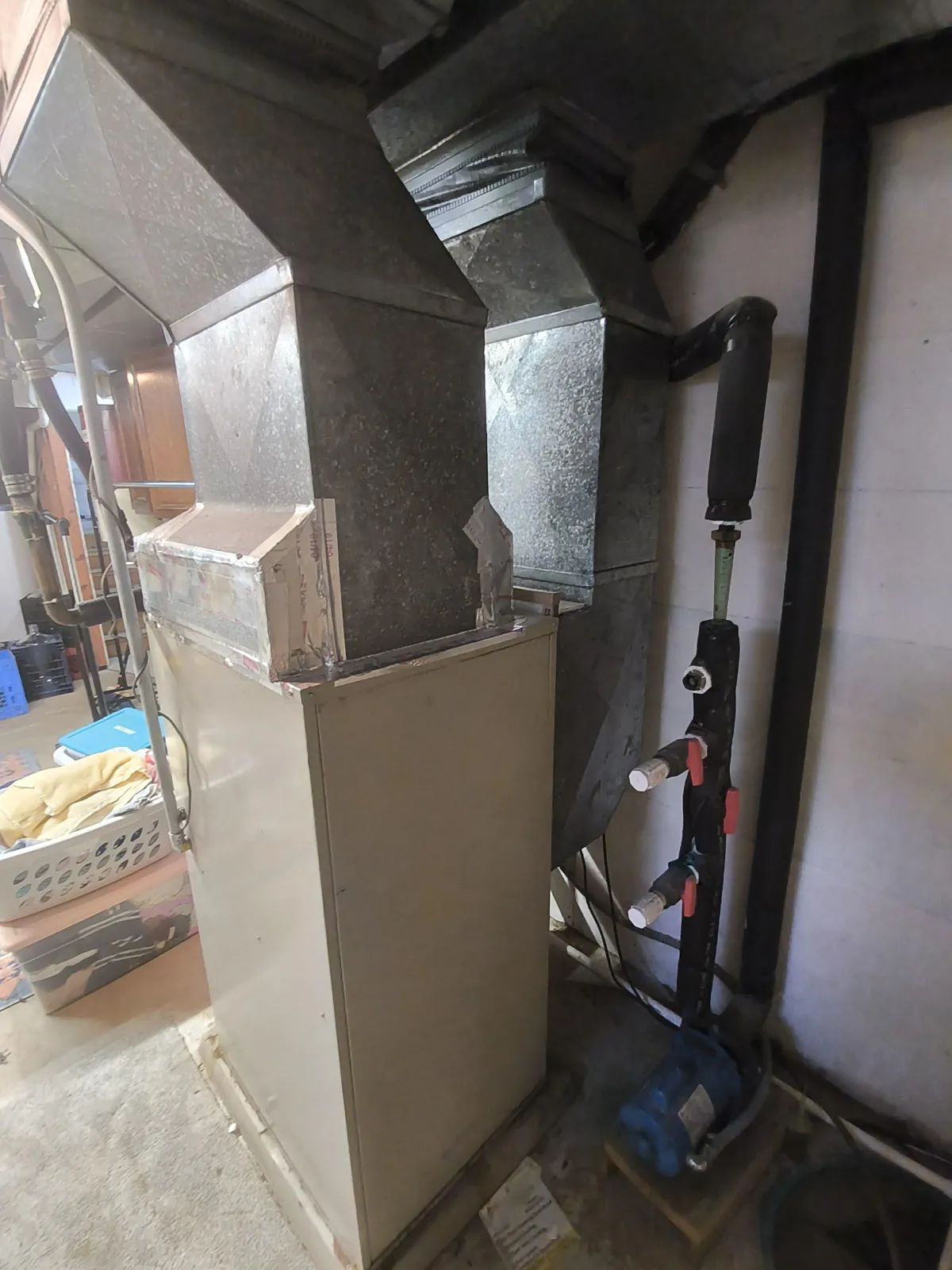
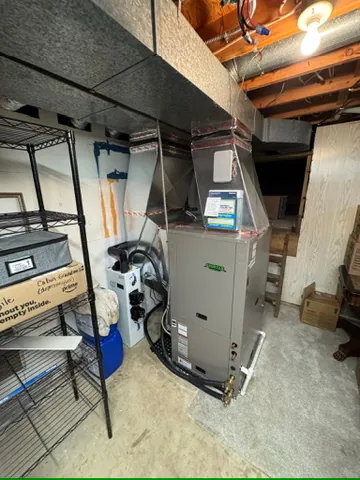
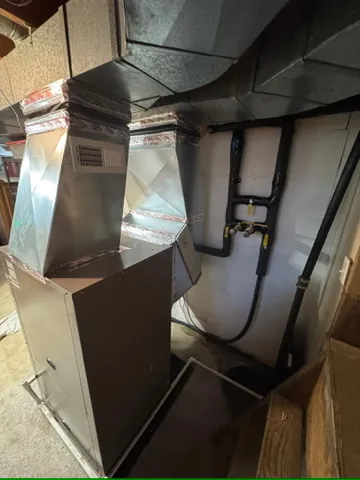
Geothermal conversion in Dayton, MN
Before: an older forced-air furnace. After: a geothermal heat pump installed in its place, connected to the existing ductwork.
Good fit?
Is geothermal right for you?
- You're building new or replacing an entire system
- You have the lot space for a ground loop
- You plan to stay in the home long enough to enjoy the payback
- You want the lowest long-term operating costs available
- You'd rather not have outdoor equipment at all
Ground loops
The types of ground loops
The ground loop is the part of a geothermal system you never see: buried plastic piping filled with a water and antifreeze mix. Which type fits depends on your lot.
- Horizontal loops are buried in trenches several feet down. They need more yard space, so they suit larger lots and new construction where the ground is already open.
- Vertical loops go into drilled bore holes. They need much less yard space, which makes them a good fit for smaller suburban lots.
- Pond loops sit at the bottom of a pond or lake that's deep and large enough, when the property has one.
- Open-loop systems use well water and return it to the ground. They depend on your water supply and have their own rules.
Minnesota rules
What Minnesota requires for drilled loops
In Minnesota, drilled geothermal loops are regulated by the Minnesota Department of Health. State law says a bored geothermal heat exchanger can only be drilled by a licensed well contractor or a licensed bored geothermal heat exchanger contractor, and it needs a permit from the Department of Health before construction starts. The piping has to pass a pressure test, and the bore holes have to be grouted to protect groundwater. Heat transfer fluid in these systems must be propylene glycol or ethanol.
That's why a geothermal project is a team effort. We design and install the heat pump, ductwork and controls, and the loop is drilled by a licensed loop contractor under a state permit.
Planning
What to know before you commit
- New construction is the easiest time. The yard is already open, and the ductwork can be designed for the system from the start.
- For an existing home, plan for yard disruption during drilling or trenching. Landscaping can be restored afterward.
- Your ductwork matters. Geothermal heat pumps move a lot of air at moderate temperatures, so undersized ducts need attention. Our in-house sheet metal shop builds what's needed.
- Ask how the system will heat your water. Many geothermal systems can also help with water heating.
- Get honest numbers. We compare the installed cost and operating cost against a high-efficiency furnace or an air-source heat pump, and check rebates your utility offers.
- Keep the paperwork. Loop permits, pressure test results and a loop map are important if you ever sell the house or need service.
Comparing options
Geothermal vs. an air-source heat pump
Both are heat pumps. An air-source heat pump pulls heat from outdoor air, so it works harder as the air gets colder. A geothermal heat pump pulls heat from the ground, which stays steady all winter. That's why geothermal holds its efficiency through a Minnesota January. The tradeoff is cost: the ground loop is a big part of the price. For many homes, a cold-climate heat pump paired with a gas furnace is a lower-cost way to get most of the benefit. Read do cold-climate heat pumps work in a Minnesota winter.
FAQ
Geothermal questions, answered
Does geothermal work in Minnesota's climate?
Yes — the ground loop sits below the frost line where temperatures are stable year-round, so winter air temperature doesn't matter to it.
How long does a geothermal system last?
The indoor unit typically outlasts conventional equipment, and ground loops are generally expected to last decades beyond that.
Is geothermal worth the upfront cost?
It's the highest-upfront, lowest-operating-cost option in HVAC. Whether the math works depends on your lot, your usage, and how long you'll stay — we'll give you honest numbers.
Who drills a geothermal loop in Minnesota?
Drilled loops must be installed by a well contractor or bored geothermal heat exchanger contractor licensed by the Minnesota Department of Health, under a permit from the department.
How much yard space does geothermal need?
Horizontal loops need the most space. Vertical drilled loops need much less, which makes them common on smaller suburban lots.
Can I add geothermal to an existing home?
Often, yes. It takes drilling or trenching in the yard, and sometimes ductwork changes inside. We'll look at your lot and your ducts before recommending it.
Ready when you are.
Free estimates and straight answers across the Twin Cities. After-hours emergency service available.