Ten years ago the answer was simple: heat pumps were for Georgia, not Minnesota. Ask anyone in Maple Grove, Plymouth, or Blaine who has scraped a windshield at twenty below and they will tell you a machine that pulls heat out of outdoor air sounds like a bad joke in January. But the equipment has changed a great deal, and so has the math. Heat pumps are now one of the most common questions we get on estimates across the northwest metro, so here is a straight answer from a company that has been installing furnaces here since 1980.
What changed in the equipment
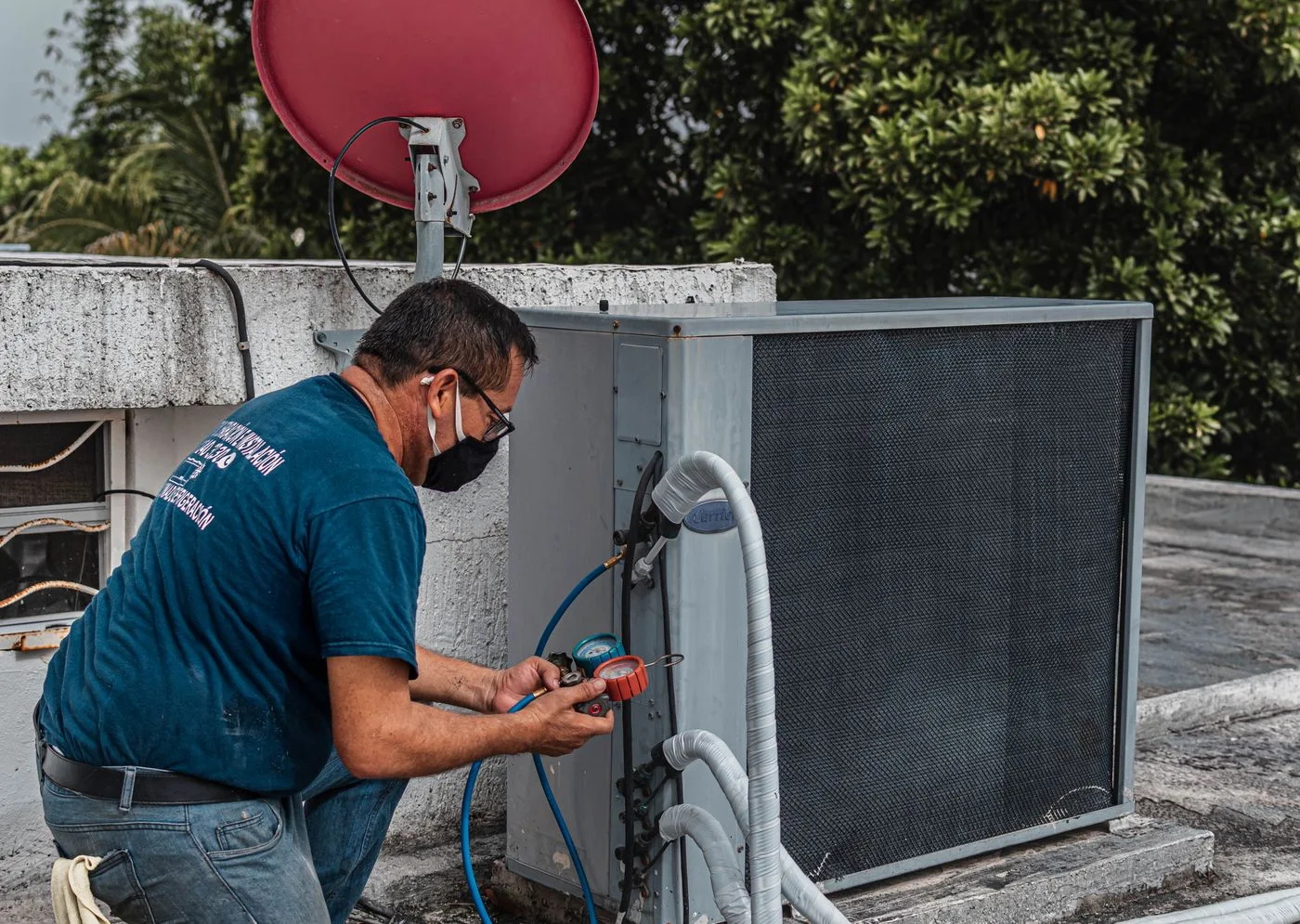
A heat pump is an air conditioner that can run backward. In summer it moves heat out of your house; in winter it moves heat in. Even air at zero degrees contains usable heat energy, and the job of the compressor is to concentrate it. Older single-speed units simply could not concentrate enough of it once outdoor temperatures dropped into the teens, so they gave up and handed the job to electric resistance strips, which are expensive to run.
Cold-climate heat pumps use inverter-driven variable-speed compressors and enhanced vapor injection to keep working far lower. Many models hold most of their rated heating capacity down to around 5°F and continue producing heat well below zero. The Northeast Energy Efficiency Partnerships maintains a list of qualifying cold-climate units, and the Minnesota Air Source Heat Pump Collaborative has been tracking real-world performance in homes across the state. The short version: they do work here, as long as they are sized and paired correctly.
The Minnesota answer: dual fuel
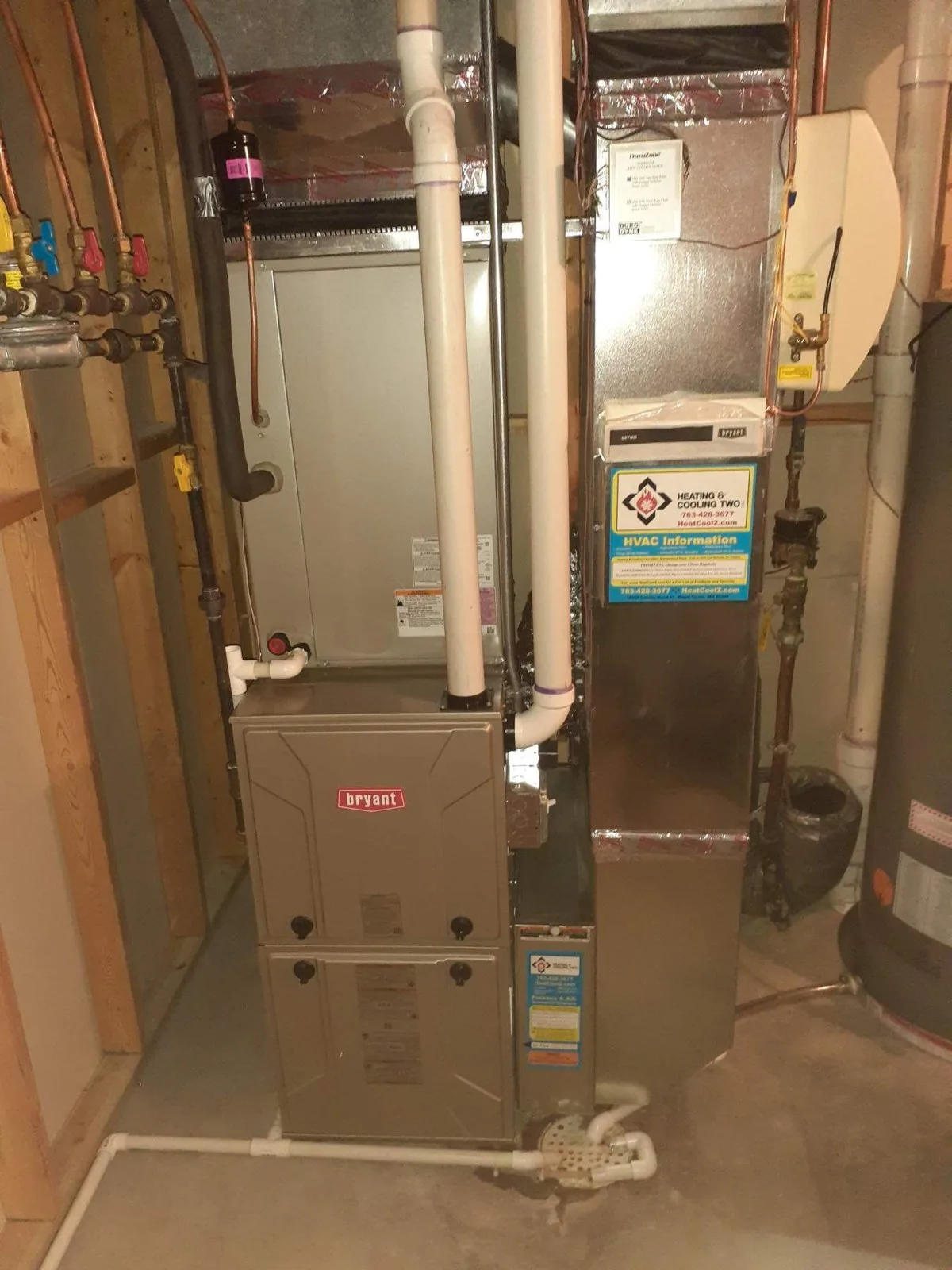
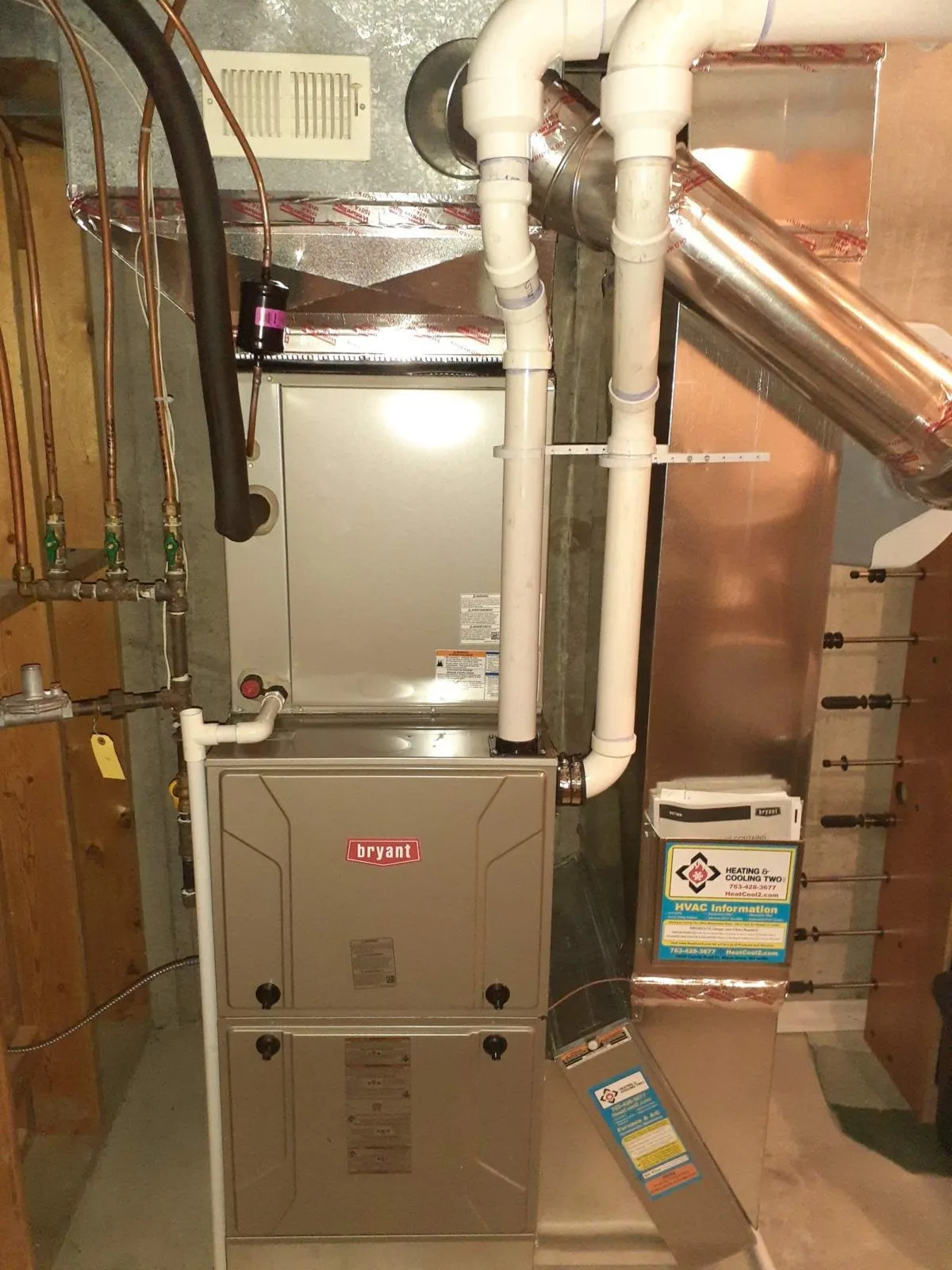
Here is what most of our Twin Cities installs look like. We pair a cold-climate heat pump with a high-efficiency gas furnace, and a smart thermostat decides which one runs. From roughly 15°F to 20°F and up, the heat pump carries the house and does it very efficiently. When the temperature drops below the switchover point, the furnace takes over. On a night when Elk River or Otsego hits minus twenty, you have the same gas heat you have always relied on.
That combination matters because of how Minnesota weather actually distributes itself. The brutal cold snaps get the attention, but the bulk of our heating hours happen between 10°F and 45°F, which is exactly where a heat pump shines. You get the efficiency most of the season and gas backup for the worst of it. You also get a brand-new central air conditioner in the deal, because that is what a heat pump is in July.
Who a heat pump makes sense for
- Homeowners replacing an aging air conditioner anyway. The added cost of a heat pump over a plain AC is often modest, and utility rebates can narrow it further.
- Homes on propane or electric baseboard in the outer suburbs such as Corcoran, Dayton, or Rogers, where the fuel savings are largest.
- Households that want to cut natural gas use without giving up the security of a furnace.
- New construction and additions where the ductwork can be designed around the equipment from day one.
Where we tell people to slow down
A heat pump is not a magic box. If your ductwork is undersized or leaking, a variable-speed system will expose those problems quickly, because it depends on steady airflow at lower supply temperatures than a furnace. Because we fabricate our own sheet metal in our Maple Grove shop, we can correct those issues as part of the install rather than working around them. A poorly insulated 1970s split-level in Brooklyn Park may also be a better candidate for attic insulation first and a heat pump second.
Sizing is the other place to be careful. An oversized heat pump short-cycles and never reaches the efficient part of its operating range. We run a load calculation on every home rather than matching the tonnage of whatever is sitting on the pad now.
Rebates and operating cost in 2026
The federal 25C tax credit ended at the close of 2025, but Minnesota utility programs are still active. Xcel Energy, Connexus, Wright-Hennepin, and several municipal utilities offer rebates on qualifying cold-climate heat pumps, and some pay more when the unit is installed by a participating contractor with a proper commissioning report. Amounts change every program year, so we confirm what your specific address qualifies for during the estimate and handle the paperwork with you.
On operating cost, the honest answer depends on your gas and electric rates. For most Xcel and CenterPoint customers in the metro, a dual-fuel system costs about the same or slightly less to run than a furnace alone over a full year, with the balance point set to favor whichever fuel is cheaper at a given temperature. Where propane is the alternative, the savings are usually significant.
Questions we hear on every heat pump estimate
Will my electric bill go up? In winter, yes, because the heat pump is doing work the furnace used to do; your gas bill goes down by more than that in most Xcel and CenterPoint households, and in summer the new variable-speed system usually costs less to run than the AC it replaced. We show you a full-year estimate, not one month.
Is it loud? Modern inverter heat pumps are quieter than the single-speed condensers most Maple Grove homes have now, because they spend most of their time running at low speed instead of slamming on at full power.
What about the snow? The outdoor unit is raised on a stand or bracket so it sits above typical snow depth and drains during defrost cycles. We also keep it clear of roof drip lines and away from where the snowblower throws.
How long do they last? Roughly the same as a quality central air conditioner, typically fifteen years or more with annual maintenance. Because it runs in winter too, the heat pump works more hours per year than an AC, which is one more reason the fall and spring tune-ups matter.
The bottom line for the northwest metro
Cold-climate heat pumps are real, they are proven in Minnesota, and paired with a Bryant furnace they give you efficiency in the shoulder seasons and reliability in the deep freeze. If your AC is over twelve years old, it is worth pricing a heat pump alongside a standard replacement before you decide. We will give you both numbers, the rebate picture for your utility, and a recommendation that fits your house rather than a sales quota.