Drive through the older neighborhoods of Anoka, Osseo, Robbinsdale, or the early streets of Brooklyn Center and you will find a lot of houses heated the way they were in 1950: a boiler in the basement and cast-iron radiators in every room. Homeowners love the heat and dread the day the boiler finally quits, because they have heard that the only fix is ripping it all out for ductwork. That is rarely true. Here is how we walk people through the decision.
Why radiator heat feels the way it does
Hot-water heat is even, quiet, and does not blow dust or dry the air. Radiators warm the room by radiation and gentle convection, so you do not get the hot-then-cold swings of a single-stage furnace. Old boilers are also remarkably durable; it is not unusual for us to service one that is fifty years old. What they are not is efficient. A boiler from the 1970s or 1980s may convert only two-thirds of its gas to heat, and a standing pilot burns around the clock.
Option one: replace the boiler, keep the radiators
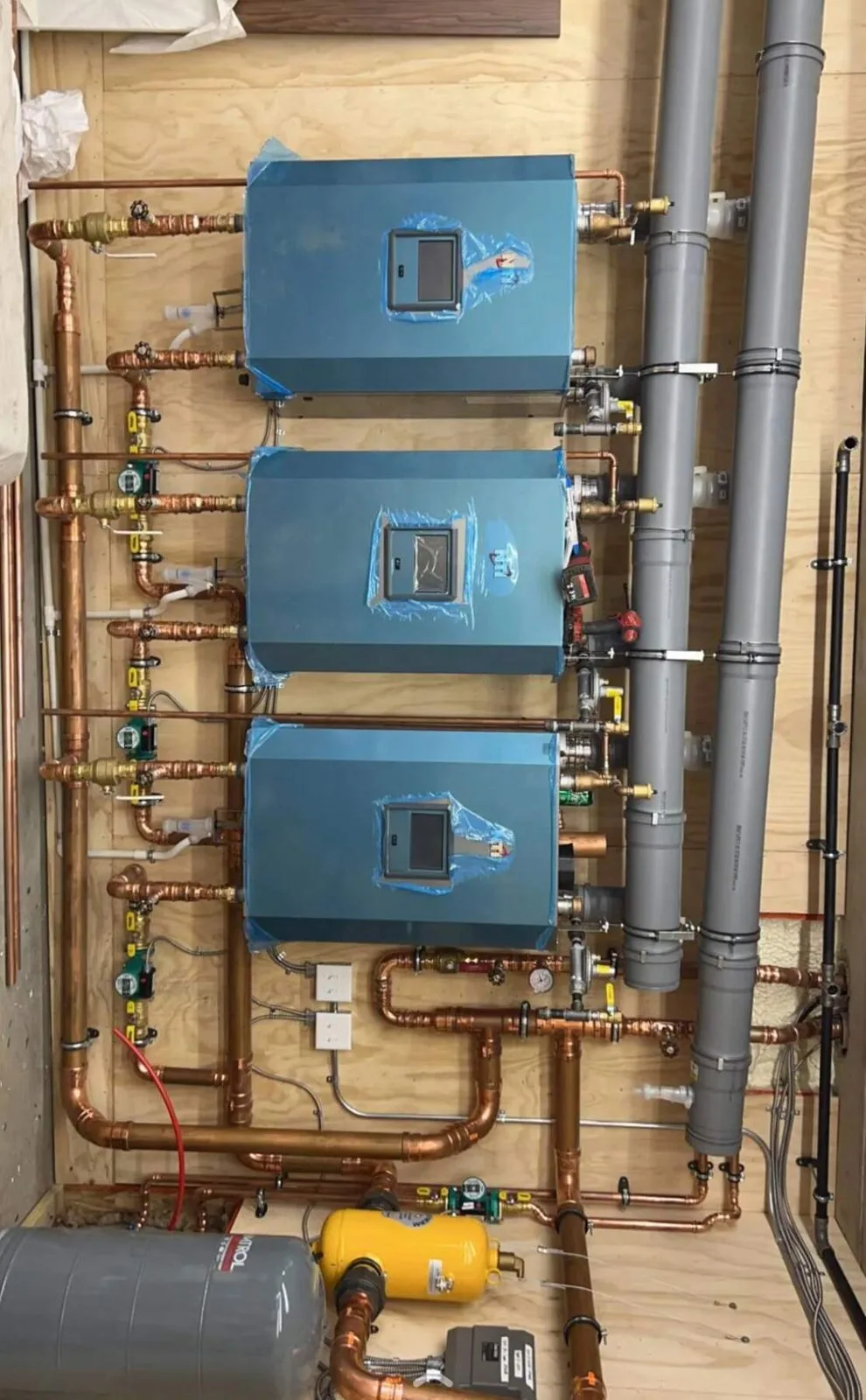
This is the most common answer and often the best one. A modern condensing boiler runs at 90% or better efficiency, modulates its flame to match the actual heat loss of the house, and can use outdoor reset to lower the water temperature on mild days. Your radiators and piping stay exactly where they are. The change is invisible upstairs and very visible on the gas bill.
The details matter. Old systems often have decades of sediment, so we flush and treat them. Zone valves or additional pumps can separate the upstairs from the downstairs so bedrooms are not overheated to warm the living room. And if the old boiler shared a chimney with the water heater, the venting will need attention.
Option two: keep the boiler, add cooling
The biggest complaint about a radiator house is not the winter, it is July. Without ductwork, central air has traditionally meant window units. Today there are two better paths. Ductless mini-splits mount a quiet indoor unit in each main room with only a small line-set penetration and deliver very efficient cooling with no ducts at all. Alternatively, a high-velocity or small-duct system can snake flexible two-inch ducts through closets and joist bays with minimal disruption to plaster walls. Either way, you keep the heat you love and finally get the cooling you have been missing.
Option three: convert to forced air
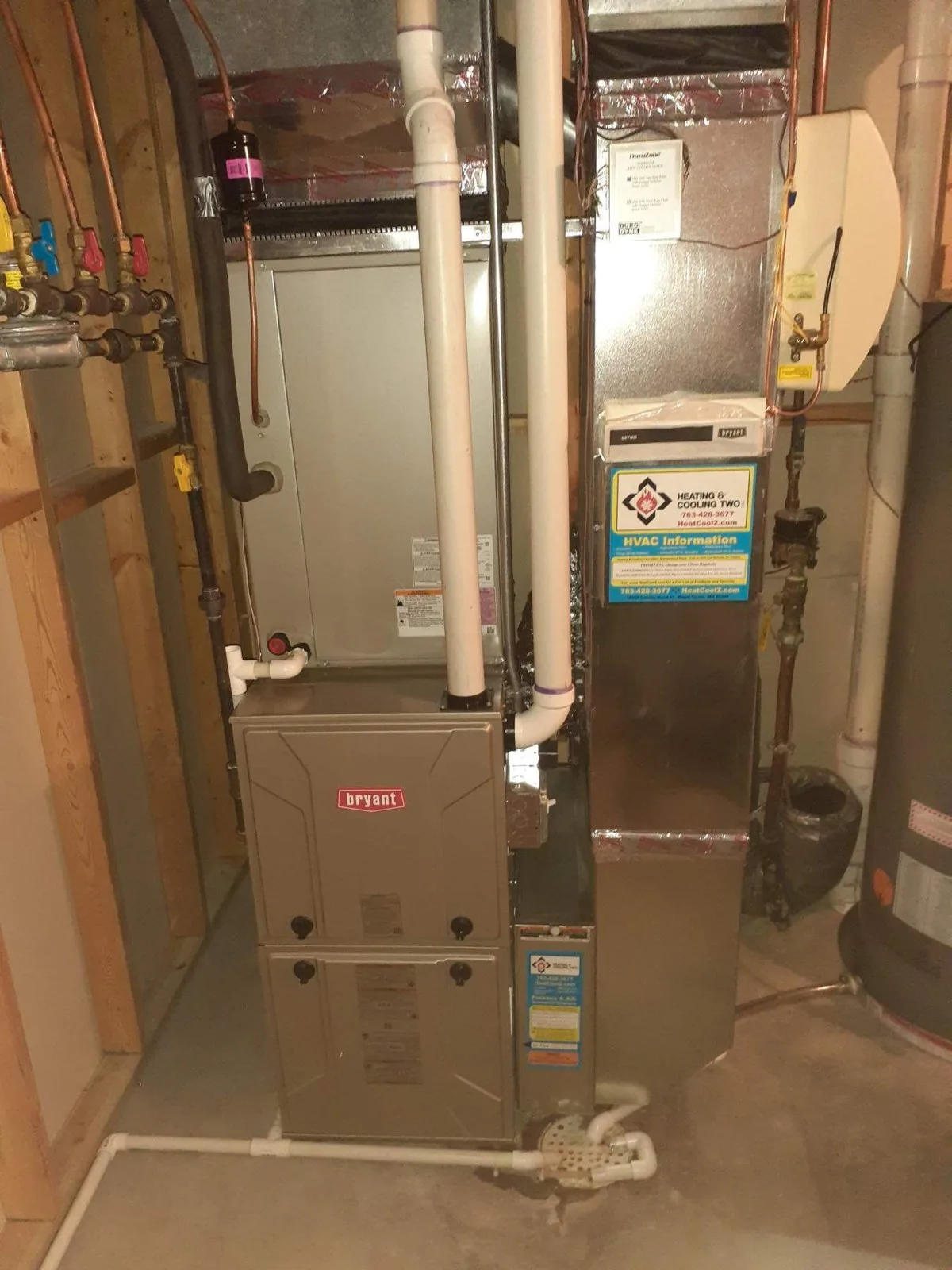
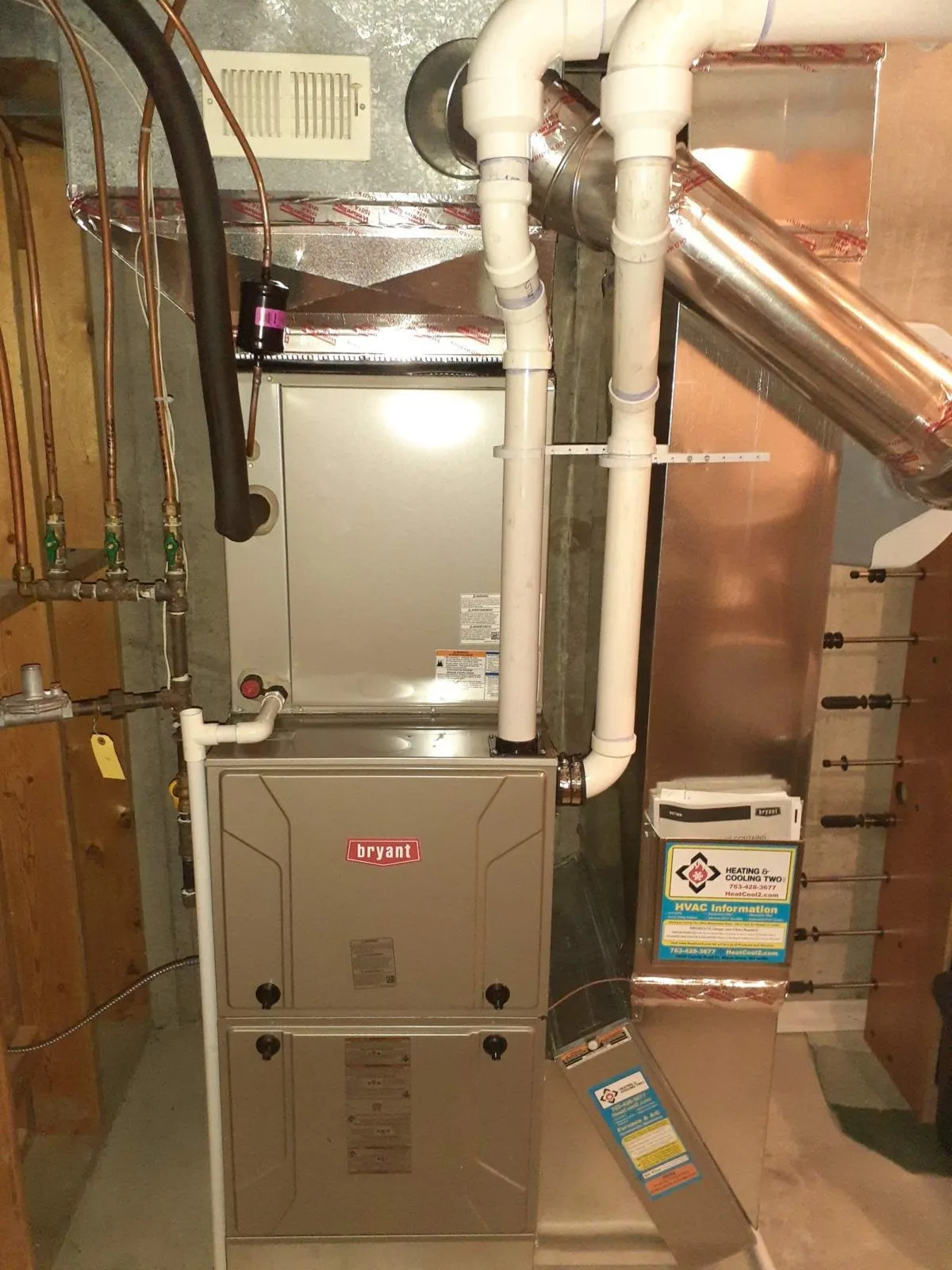
Sometimes conversion is the right call: the radiators are failing, a major remodel is opening the walls anyway, or the homeowner wants a single system for heating, cooling, filtration, and humidity. Because we fabricate our own ductwork in our Maple Grove shop, we can design a duct system that fits an older home's framing rather than boxing in every ceiling. But conversion is a real project, and we are candid about the cost. For most homes with a functioning radiator system, options one and two deliver more comfort for less money.
Signs your boiler is asking for attention
- Water on the floor around the boiler or at radiator valves.
- Banging, gurgling, or radiators that heat unevenly, which usually means air in the system or a failing circulator.
- A pressure gauge that reads high or low, or a relief valve that keeps dripping.
- Rising gas bills without a change in the weather.
- Yellow or lazy flames, soot, or a carbon monoxide alarm. Shut it down and call.
Getting more from the radiators you already have
A boiler replacement is also the moment to fix the complaints you have lived with. Thermostatic radiator valves on individual radiators let you turn down a bedroom that always runs hot without touching the rest of the house. Bleeding and balancing the system evens out the radiator that never quite gets warm. Adding a zone for a finished basement or an addition can be done with a single additional pump or valve.
If the house has a mix of radiators and a later forced-air addition, a new boiler can often serve a hydronic coil in that air handler so one efficient appliance heats the whole home. And because a condensing boiler produces domestic hot water very efficiently through an indirect tank, many homeowners retire the water heater at the same time. None of this requires giving up the even, quiet heat that made you love the house in the first place.
Annual boiler service is not optional
A boiler tune-up covers burners and flame sensors, gas pressure, relief and system pressure, venting, pumps, ignition, and freeze protection where it applies. It is cheaper than the emergency call it prevents, and it is what keeps a manufacturer's warranty valid on a new unit. We include boiler service in our maintenance plans for exactly that reason.
If you own one of the older homes that give the north metro its character, you do not have to choose between charm and comfort. Call us and we will look at what you have, tell you honestly how much life is left in it, and lay out the options side by side.