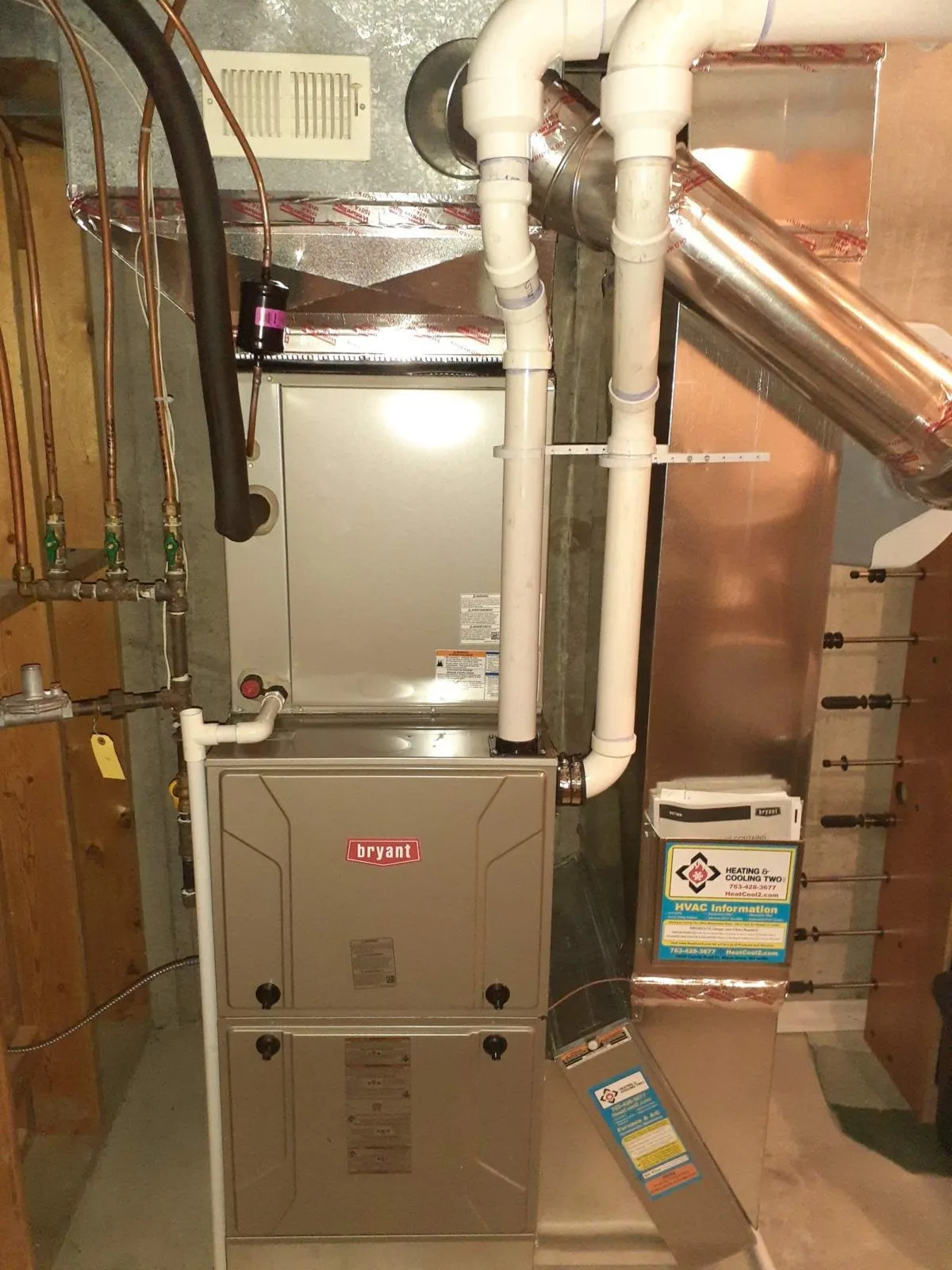
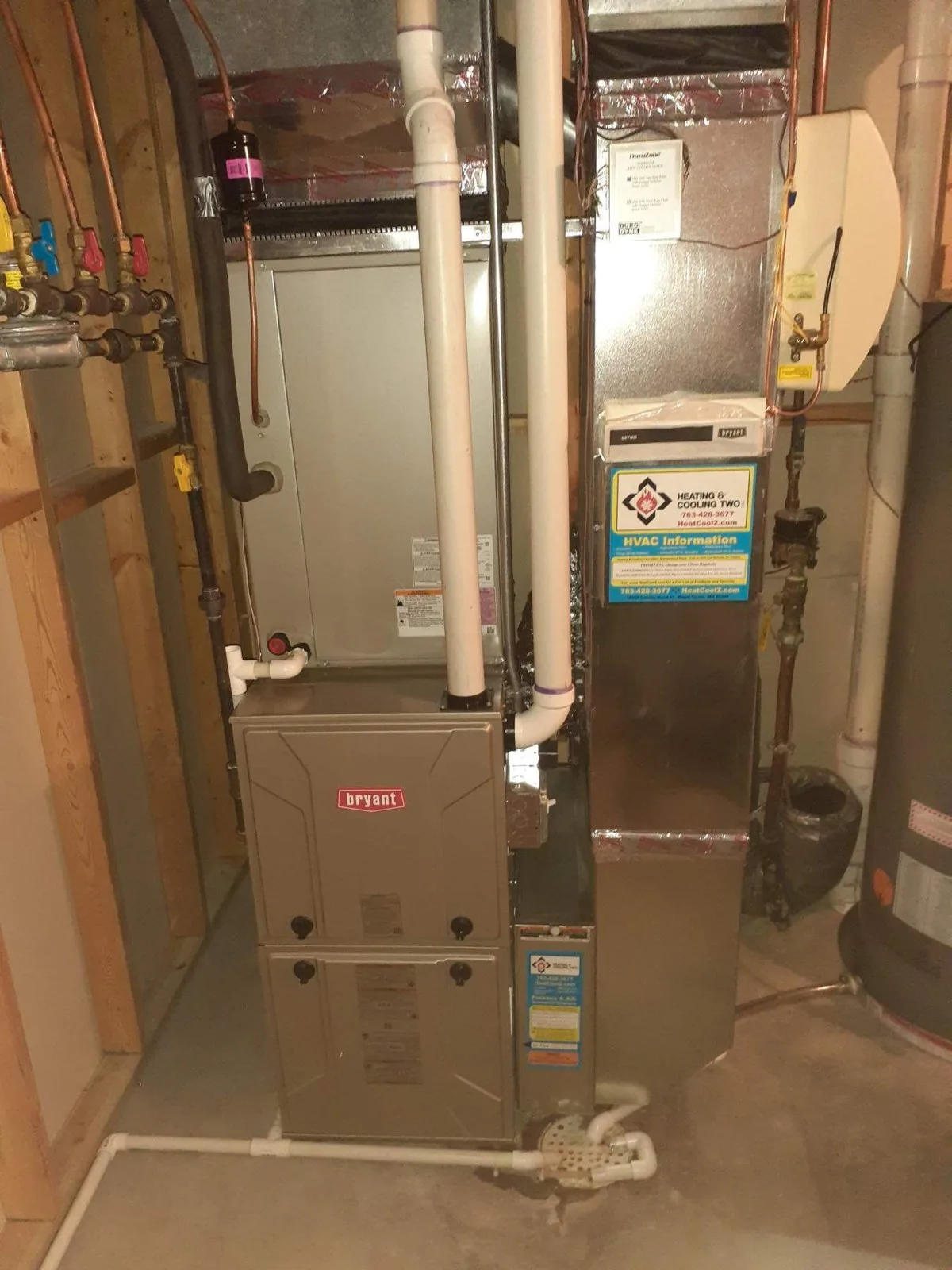
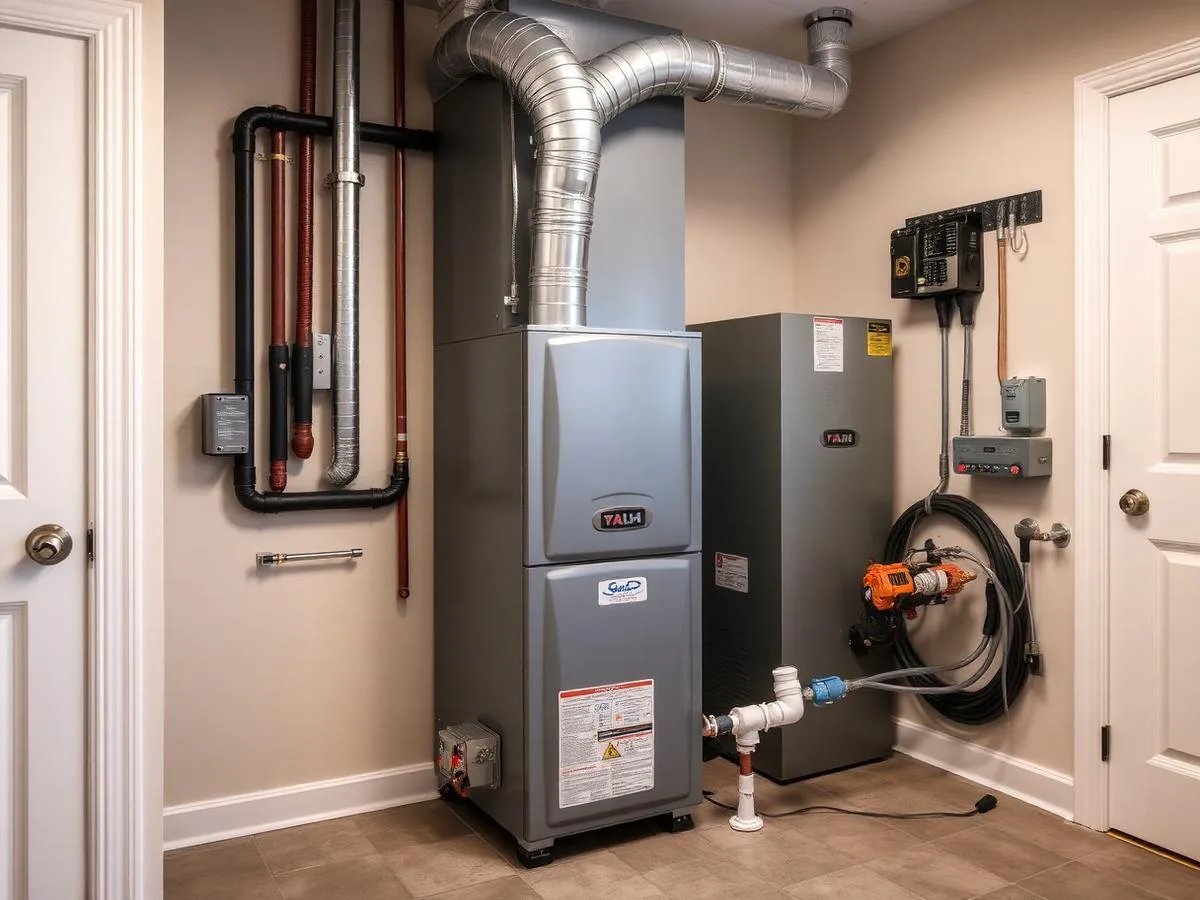
In Minnesota the heating season does not ease in. One week it is seventy degrees at the Maple Grove Farmers Market and the next you are searching for the thermostat's heat setting on a thirty-degree morning. The furnaces that fail in that first cold week are almost always the ones nobody looked at since April. Here is the checklist we give our own customers every fall, split into what you can do yourself and what belongs to a technician.
What you can do this weekend
- Replace the furnace filter, and buy the rest of the winter's supply now. A one-inch filter should be checked monthly during heating season; a four- or five-inch media filter usually lasts six months to a year.
- Turn the thermostat to heat and set it a few degrees above room temperature. Confirm the furnace lights and warm air arrives at the registers within a few minutes. Doing this in September gives you weeks of margin if it does not.
- Walk the house and open every supply register and clear the return grilles. Furniture, rugs, and drapes over returns are a leading cause of a furnace that short-cycles.
- Check the outdoor intake and exhaust pipes for a high-efficiency furnace. Clear leaves, nests, and grass clippings, and make sure landscaping has not grown over them.
- Test carbon monoxide detectors and replace batteries. Minnesota law requires a CO alarm within ten feet of every sleeping room. If yours is more than seven years old, replace the whole unit.
- Clean the outdoor AC unit of debris and consider a breathable cover that keeps leaves and ice out while letting moisture escape. Do not wrap it in plastic.
- Reverse ceiling fans to run clockwise on low, which gently pushes warm air down without a draft.
What belongs on a professional tune-up
A furnace tune-up is not a filter change with a clipboard. Our technicians work through an eighteen-point inspection that includes the heat exchanger and burners, carbon monoxide levels, gas pressure, flue draft, safety controls, blower components, amp draw on the motors, condensate trap and drain lines, and a full heating cycle from thermostat call to shutdown. The heat exchanger inspection alone is the reason to have it done: a crack is invisible from the outside and is the most serious problem a furnace can develop.
For homes with a boiler, the fall visit covers burners, pressure, relief valve, pumps, venting, and freeze protection. For homes with a heat pump, the fall visit is when we confirm the defrost cycle and the switchover to backup heat are working before you need them.
Do not forget the humidifier
Minnesota winter air is brutally dry, and a whole-home humidifier is one of the most appreciated pieces of equipment in a Twin Cities house. It is also one of the most neglected. The water panel should be replaced every fall, the drain line flushed, and the unit checked for scale. A humidifier that has not been serviced in three years often is not adding any moisture at all; it is just running water down the drain. Set the humidistat around 35% and be ready to lower it during deep cold snaps to prevent condensation on windows.
Thermostat and schedule
Fall is the moment to program the winter schedule. A setback of a few degrees overnight and while the house is empty saves real money over a seven-month season, and a smart thermostat does it automatically while learning your routine. If you have a two-stage or modulating furnace, confirm the thermostat is configured to take advantage of it; a lot of otherwise excellent systems are running as single-stage because a basic thermostat was never set up correctly.
Air exchangers and fresh air
Newer homes in Rogers, Otsego, Dayton, and the rest of the fast-growing northwest suburbs are built tight and rely on a heat-recovery or energy-recovery ventilator for fresh air. These units have filters and cores that need cleaning before they run all winter. A clogged air exchanger is why some new-construction homes feel stuffy by January despite all that fresh-air equipment.
A note on closing up the air conditioner
Minnesota homeowners often ask whether the outdoor AC unit needs to be covered or shut off for winter. The equipment is built for weather, and a full plastic wrap does more harm than good by trapping moisture and inviting mice. A breathable top cover that keeps leaves and icicles off the fan is fine. If you have a heat pump rather than an AC, do not cover it at all; it runs all winter.
Switching off the outdoor disconnect for a plain air conditioner is optional but harmless, and it prevents the unit from being accidentally run in freezing weather, which can damage the compressor. Just remember to turn it back on in spring twenty-four hours before you first use it, so the crankcase heater has time to warm the compressor oil.
Why September beats November
Every HVAC company in the metro is slammed the first week the temperature drops. A tune-up in September or early October gets you a convenient appointment and time to plan if the technician finds something. A no-heat call in late November puts you in line behind everyone else who waited. Our maintenance plan members get both seasonal visits scheduled in advance, discounted repairs, and the documentation manufacturers require to keep the warranty valid.
Work through the homeowner items this weekend, then call us at 763-428-3677 to get on the fall schedule. Winter is coming either way; the only question is whether your furnace is ready for it.