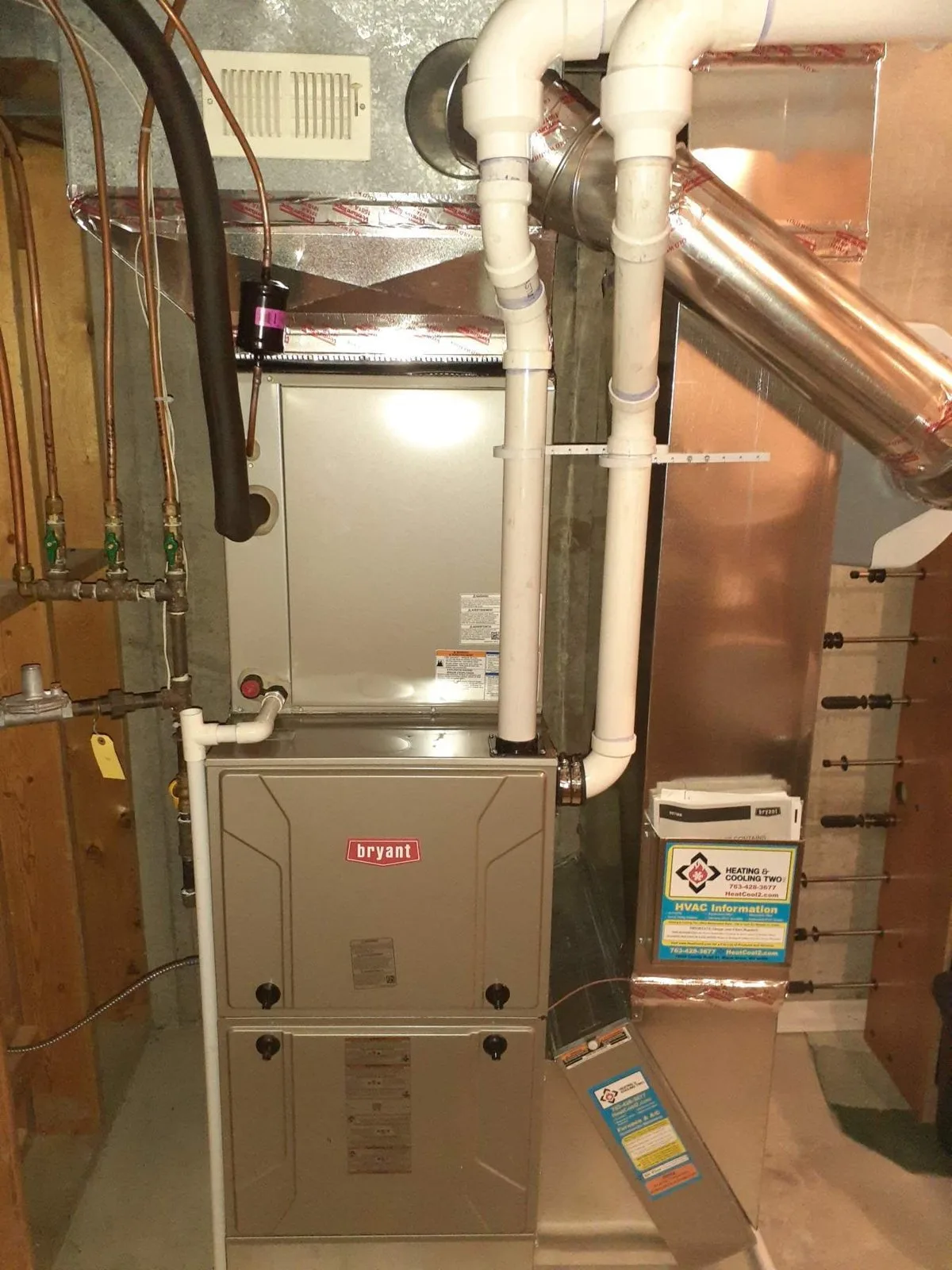
Furnace Pressure Switch: Why Your Furnace Won't Light and What Causes It
Inducer fan runs but the furnace won't light? The pressure switch may be stopping it. What it does, what trips it in a Minnesota winter and what to check.
Read article
Radiators cold at the top or gurgling? How to bleed hot water radiators safely, tell steam from hot water, and read your boiler pressure gauge.
Family-owned since 1980
Three generations of Twin Cities neighbors keeping homes and businesses comfortable.
NATE-certified technicians
Factory-trained, background-checked techs who explain the work before they start.
Bryant Factory Authorized Dealer
Top-tier equipment, factory warranties and rebates you can only get from an authorized dealer.
October 30, 2026 · 8 min read
 By Trevor Torgerson, Manager, Sales & Operations
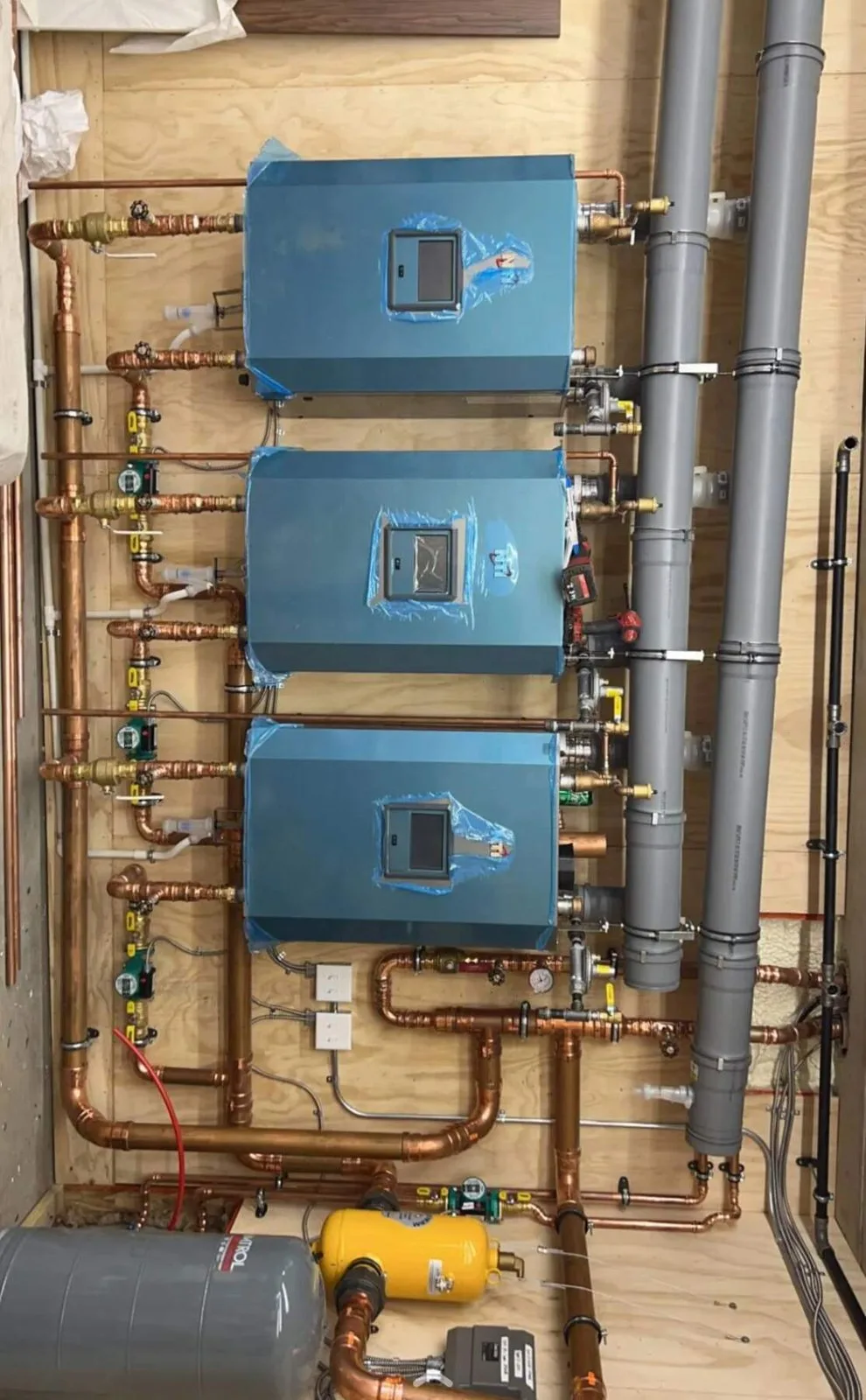
If you live in one of the older homes around the Twin Cities, maybe a 1920s bungalow, a Tudor near 50th and France or a Victorian in Anoka, there's a good chance you heat with a boiler and radiators. They're comfortable, quiet and durable, but they have one chore forced-air homes don't: bleeding the air out of the radiators.
Here's how to tell if your radiators need it, how to do it safely, and what to watch on the boiler afterward. First, though, you need to know which kind of system you have.
Bleeding is for hot water systems. Steam systems work differently, and you should not try to bleed a steam radiator with a key.
If you're not sure, call us before you open anything. Hot water and steam systems both show up in older Twin Cities homes, and some houses have had their original systems converted over the years.
Every bit of air you let out is replaced by water from the boiler's fill valve, or it's simply lost from the system. That's why the pressure gauge matters. Most residential hot water systems run at roughly 12 to 15 psi when cold, rising somewhat as the water heats. Your boiler's manual or the label on the boiler gives the right range for your system.
If the pressure is low after bleeding, many systems have an automatic fill valve that tops up the water on its own. Some older systems need water added manually. If you're not comfortable doing that, or you don't know where the fill valve is, call us. Too little pressure means the top-floor radiators won't fill and air gets drawn back in. Too much can make the relief valve on the boiler open and drip.
The best time is early in the heating season, after the boiler has run for a day or two and pushed any air that collected over the summer to the radiators. Most homes only need it once a year. Do it again after any repair that involved draining or refilling the system. If one room still runs cooler after bleeding, the radiator's own valve may be partly closed or stuck. Older radiator valves can be stiff, so turn them gently, and don't force one that won't move.
Bleeding once a season is normal. Bleeding every week isn't. If air keeps coming back, or you keep needing to add water, something else is going on.
Any of those calls for a technician. So does water on the floor around the boiler, a relief valve that's dripping or spraying, or pressure that climbs past the top of the normal range.
If your home has radiant floor heating, the tubing is purged through a manifold rather than bled at a radiator. That's a job for a technician. The same goes for many modern high-efficiency boilers, which have automatic air elimination built into the system. If one of those zones isn't heating, call rather than open fittings.
An annual boiler service checks the burner, venting and safety controls, the expansion tank, the relief valve and the circulator, and it's the best time to bleed and balance the system. Boiler maintenance can be added to our maintenance plans. If you're wondering whether to keep your boiler or switch to forced air, our guide to boilers vs. forced air in older Twin Cities homes walks through the tradeoffs.
We repair and replace boilers and radiant systems across the Twin Cities. If your radiators won't heat after bleeding, or you'd rather have us do it, call Heating & Cooling Two at 763-428-3677. After-hours emergency service is available.
Keep reading
Inducer fan runs but the furnace won't light? The pressure switch may be stopping it. What it does, what trips it in a Minnesota winter and what to check.
Read article
A CO alarm can be warning you of danger, asking for a battery or telling you it's expired. How to tell the difference, what to do right away and when to call.
Read article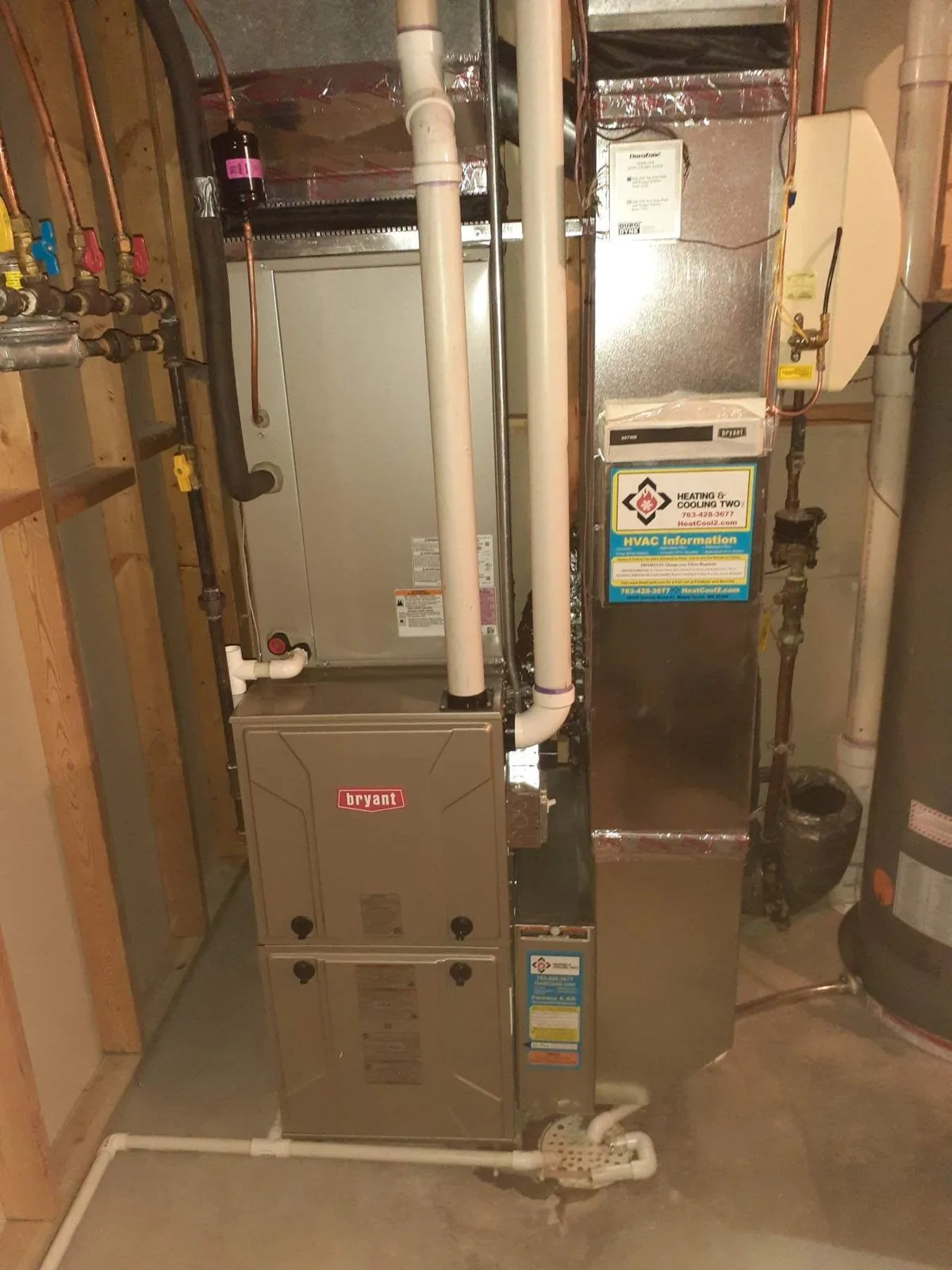
That blinking light on your furnace is a code. How to read the flashes, what the most common codes point to, what's safe to check and when to call for repair.
Read articleFree estimates and straight answers across the Twin Cities. After-hours emergency service available.