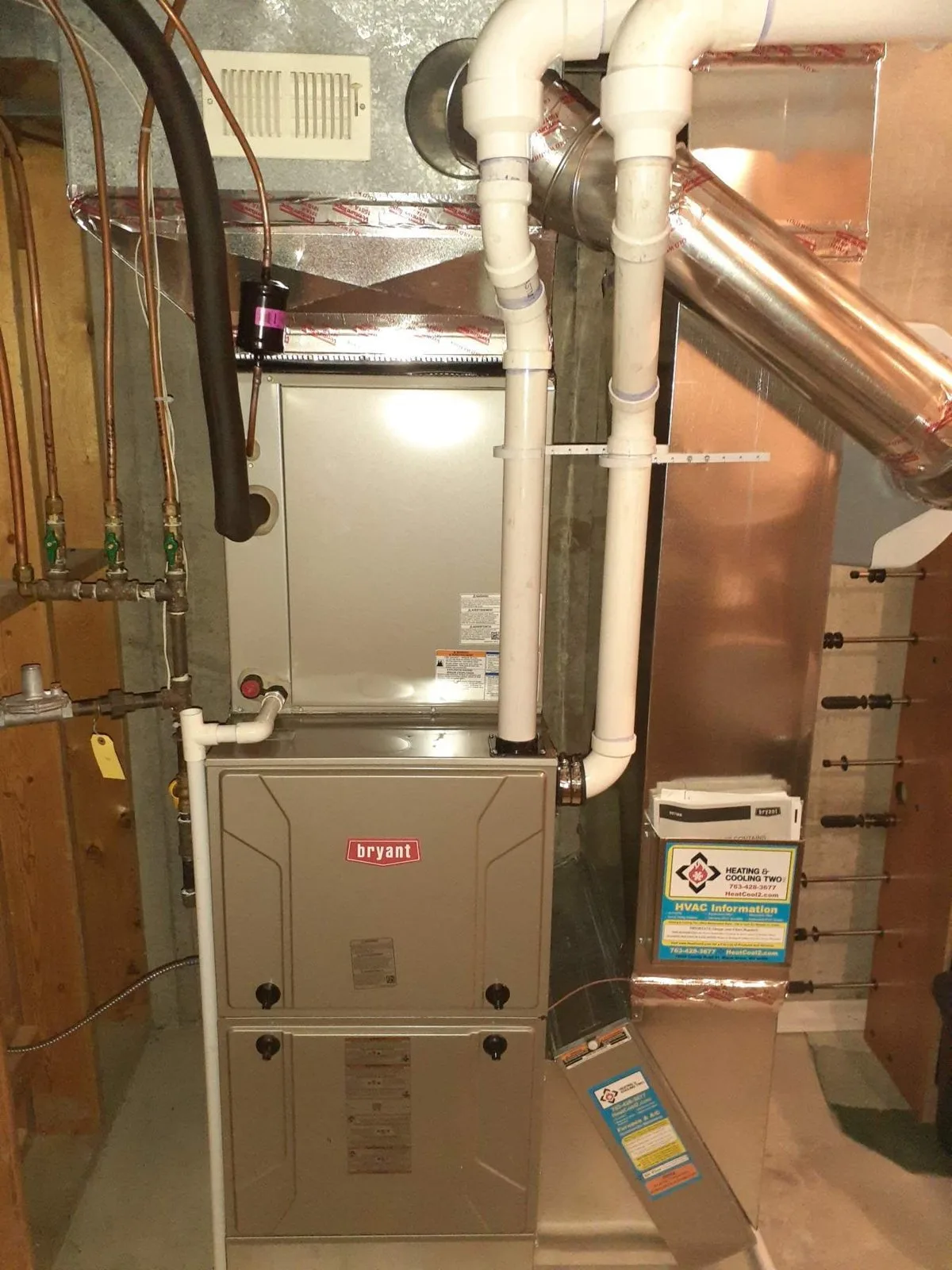
Furnace Pressure Switch: Why Your Furnace Won't Light and What Causes It
Inducer fan runs but the furnace won't light? The pressure switch may be stopping it. What it does, what trips it in a Minnesota winter and what to check.
Read article
Covering your AC can help or hurt. What a Minnesota winter does to a condenser, which covers are safe, and why you should never cover a heat pump.
Family-owned since 1980
Three generations of Twin Cities neighbors keeping homes and businesses comfortable.
NATE-certified technicians
Factory-trained, background-checked techs who explain the work before they start.
Bryant Factory Authorized Dealer
Top-tier equipment, factory warranties and rebates you can only get from an authorized dealer.
October 28, 2026 · 7 min read
 By Trevor Torgerson, Manager, Sales & Operations
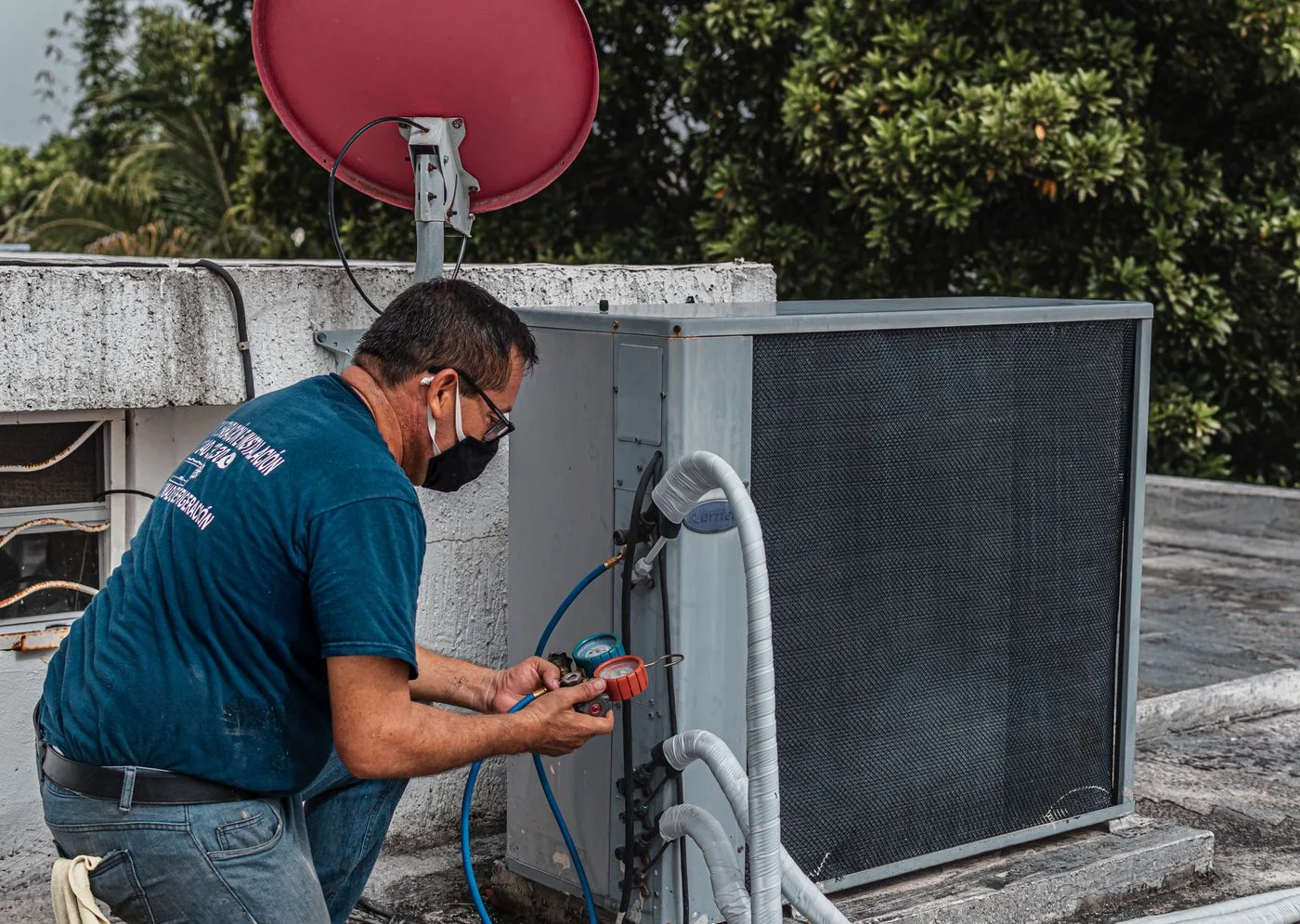
Every fall, someone on the block wraps their air conditioner in a tarp and a bungee cord, and someone else swears that's the worst thing you can do. They're both half right. A full wrap usually does more harm than good. A ventilated cover over the top of the unit can make sense in a Minnesota winter. And if what's in your yard is a heat pump, it should never be covered at all.
Here's what winter actually does to an outdoor unit, what's worth protecting against, and the simple fall routine we recommend instead.
The outdoor condenser is designed for weather. The cabinet is coated steel, the coil is aluminum and copper, and the electrical parts sit behind sealed panels. Rain, snow and cold don't hurt it. Minnesota units sit through subzero stretches every year without any cover at all, and most of them run fine for years.
So the question isn't whether your AC can survive winter. It's whether a few specific things are worth guarding against. In the Twin Cities, there are three: ice falling or dripping onto the unit from the roof, leaves and debris collecting inside the cabinet, and critters looking for a sheltered place to spend the winter.
A plastic tarp or a cover that wraps all the way to the ground traps moisture inside. Snow melts during a January thaw, condensation forms as temperatures swing, and the water has nowhere to go. That damp, dark space speeds up rust on the cabinet and corrosion on the coil and electrical connections.
A fully wrapped unit is also an invitation. Mice and other small animals love a sheltered, wind-free box, and they chew wiring and build nests in the coil. Nests in the cabinet are a common spring tune-up find, especially on units that spent the winter wrapped up.
A ventilated cover over just the top of the unit is a different story. It keeps leaves, seeds and ice out of the fan opening while leaving the sides open so air can move and moisture can dry out. That's useful in a few common Minnesota situations:
If none of those apply, you can skip the cover. If you do use one, choose a breathable or ventilated cover designed for condensers, not a plastic tarp. Our online shop carries ventilated air conditioning covers sized for common condensers. Measure your unit's width, depth and height before ordering. Take the cover off in spring before you turn the AC on.
This is the one rule that has no exceptions. A heat pump looks almost exactly like an air conditioner, but it runs all winter, pulling heat from outdoor air to warm your house. It needs full airflow through the coil and a clear path for the defrost water it sheds. Covering it, even partly, can stop it from heating and damage the equipment.
If you're not sure which you have, look at the thermostat or the unit's data plate, or call us and we'll tell you. Many newer Twin Cities homes, and many homes that recently replaced their AC, have a heat pump paired with a furnace in a dual-fuel setup. Our post on cold-climate heat pumps in Minnesota explains how they work in winter. If you have one, the winter job is the opposite of covering it: keep snow cleared at least a foot or so around the unit and make sure it isn't buried by drifts or a snow-blower pile.
Whether or not you use a cover, these steps do more to protect an outdoor unit through a Minnesota winter:
Some homeowners turn off the AC's outdoor disconnect for the winter. That's fine, but many manufacturers recommend restoring power several hours, often a full day, before the first time you run the AC in spring. That gives the compressor's crankcase heater time to warm up. If you're not sure, leave the power on. Our fall HVAC checklist covers the rest of the house.
When the weather warms up, take off any cover, clear the area again and look the unit over before the first hot day. Bent fins, chewed wire insulation, a tipped unit, or a coil packed with debris are all worth a call before you need cooling.
A spring AC tune-up is the best way to catch problems that built up over the winter: a nest in the cabinet, a weak capacitor, low refrigerant or a dirty coil. Here's what a spring AC tune-up covers. If something does fail, we offer AC repair for every make and model.
Don't wrap your air conditioner in plastic. If ice, falling snow or leaves are a real problem where your unit sits, a ventilated top cover is reasonable. If you have a heat pump, never cover it. And for most homes, a clean, level unit with open space around it is all the winter protection it needs.
Have a question about your outdoor unit, or not sure whether you have an AC or a heat pump? Call Heating & Cooling Two at 763-428-3677 or schedule a spring tune-up now so it's on the calendar.
Keep reading
Inducer fan runs but the furnace won't light? The pressure switch may be stopping it. What it does, what trips it in a Minnesota winter and what to check.
Read article
A CO alarm can be warning you of danger, asking for a battery or telling you it's expired. How to tell the difference, what to do right away and when to call.
Read article
Radiators cold at the top or gurgling? How to bleed hot water radiators safely, tell steam from hot water, and read your boiler pressure gauge.
Read articleFree estimates and straight answers across the Twin Cities. After-hours emergency service available.