Furnace Pressure Switch: Why Your Furnace Won't Light and What Causes It
Inducer fan runs but the furnace won't light? The pressure switch may be stopping it. What it does, what trips it in a Minnesota winter and what to check.
Read article
That blinking light on your furnace is a code. How to read the flashes, what the most common codes point to, what's safe to check and when to call for repair.
Family-owned since 1980
Three generations of Twin Cities neighbors keeping homes and businesses comfortable.
NATE-certified technicians
Factory-trained, background-checked techs who explain the work before they start.
Bryant Factory Authorized Dealer
Top-tier equipment, factory warranties and rebates you can only get from an authorized dealer.
October 30, 2026 · 7 min read
 By Trevor Torgerson, Manager, Sales & Operations
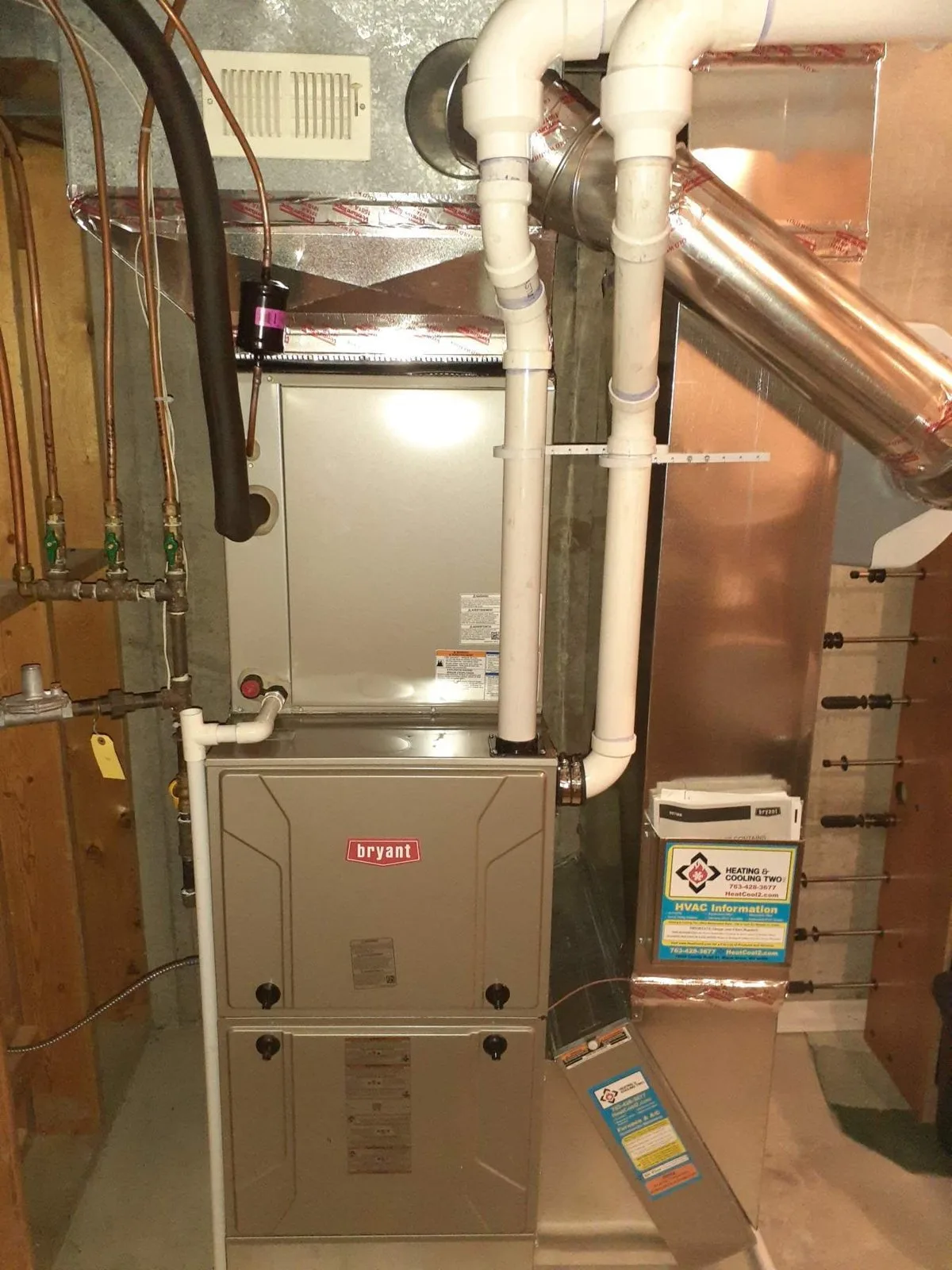
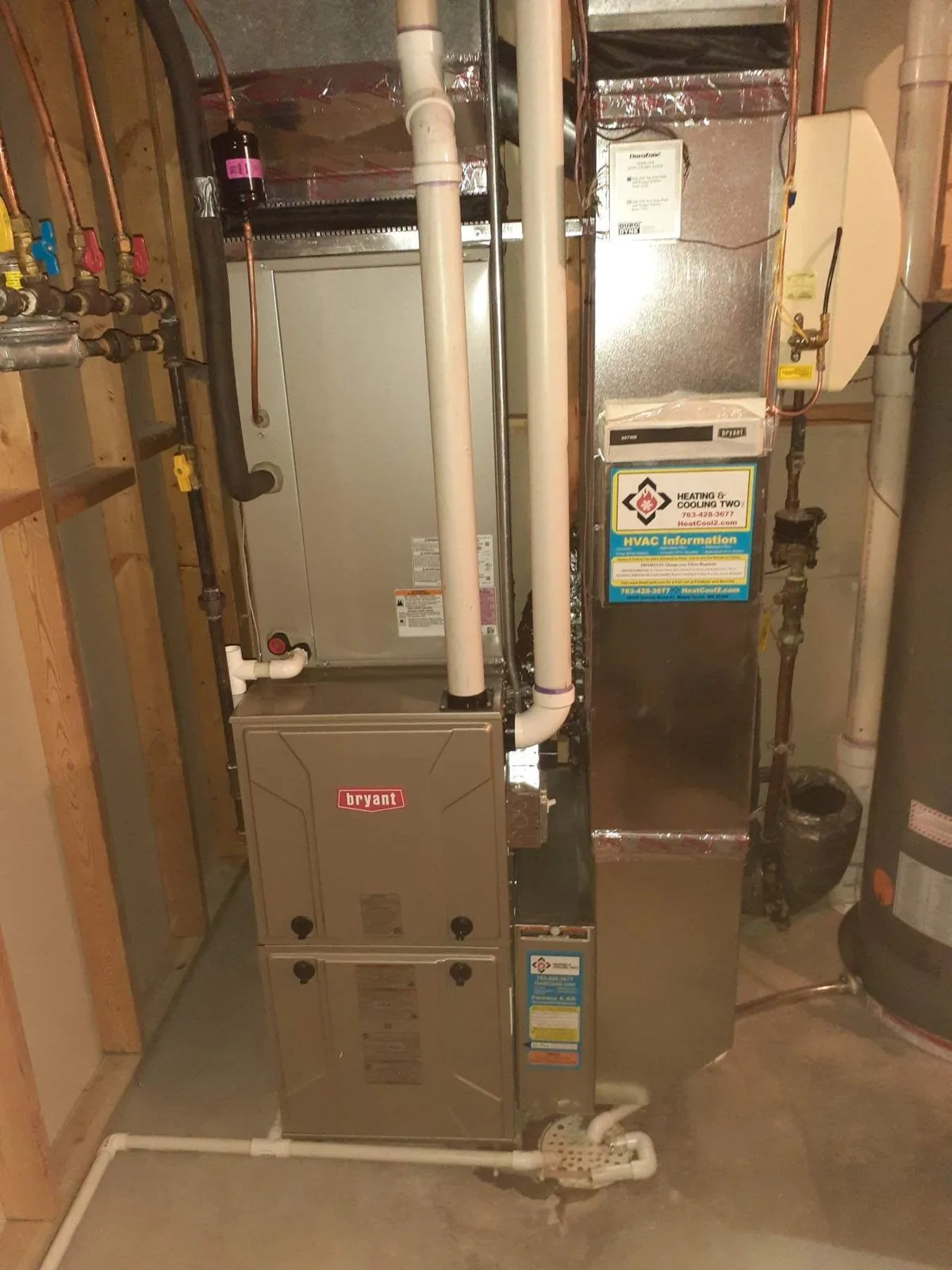
Most modern furnaces have a small light on the control board, visible through a window in the lower door. When the furnace has a problem, that light blinks in a pattern. It's the furnace telling you what's wrong, and reading it before you call can save time and sometimes a service visit.
Here's how to read the code, what the most common codes usually point to, and when to stop and call for help.
This is the most important tip. Many furnaces have a safety switch on the lower door that cuts power when the door comes off. When the power cuts, the furnace can lose the current code. So look through the little window first.
On many furnaces, a steady glow or a slow, regular blink means normal operation, and some boards blink differently while the furnace is heating. If the house is warm and the light is doing what the chart calls normal, there's nothing to do. A light that's completely off can mean the furnace has no power: check the service switch, which looks like a light switch on or near the furnace, and the breaker.
Every manufacturer numbers its codes differently, so always go by the chart on your furnace. But most codes fall into the same handful of categories.
Don't open the burner compartment, touch the gas valve or jump any switches. And if you smell gas, hear a carbon monoxide alarm or see scorch marks or melted wiring, get out first and call 911 or your gas utility from outside. Our post on why your CO detector is beeping explains the alarm patterns.
When you call for service, tell us the code, the pattern and the furnace brand if you know it. It narrows down what the technician should bring and look at first. It also helps us tell you over the phone whether it's something you can safely handle, like a filter or a snowed-in vent pipe, or something that needs a visit.
If the code keeps coming back after a repair, ask whether the underlying cause was fixed. A limit code that returns every week usually means an airflow problem, not a bad switch. A recurring ignition code can mean a combustion problem rather than just a dirty sensor.
Some newer systems also show alerts on the thermostat itself. Communicating systems, where the furnace, outdoor unit and thermostat talk to each other, can display a fault message and keep a history of recent codes. Many smart thermostats send a phone alert when the heat isn't keeping up, even though they can't read the furnace's own code. If your thermostat shows an alert, write it down along with the blinking pattern at the furnace. The two together often tell the technician exactly where to look.
If the thermostat screen is blank, that's a clue too. A blank thermostat on a furnace that also has no status light usually means the furnace has lost power or blown a low-voltage fuse.
As a Bryant Factory Authorized Dealer, we see a lot of Bryant furnaces, but we repair every make and model. Each brand, and often each model, has its own code chart, which is why the label on your furnace is the best guide. If the label is missing or faded, we can look it up from the model number on the furnace's rating plate.
Write down the code, try the safe checks above and, if the furnace still won't run, schedule a furnace repair or call Heating & Cooling Two at 763-428-3677. Office hours are Monday through Friday, 7:30 a.m. to 4:30 p.m., and after-hours emergency service is available. For the next steps in order, see our furnace troubleshooting checklist. An annual furnace tune-up catches most of the problems behind these codes before they leave you without heat.
Keep reading
Inducer fan runs but the furnace won't light? The pressure switch may be stopping it. What it does, what trips it in a Minnesota winter and what to check.
Read article
A CO alarm can be warning you of danger, asking for a battery or telling you it's expired. How to tell the difference, what to do right away and when to call.
Read article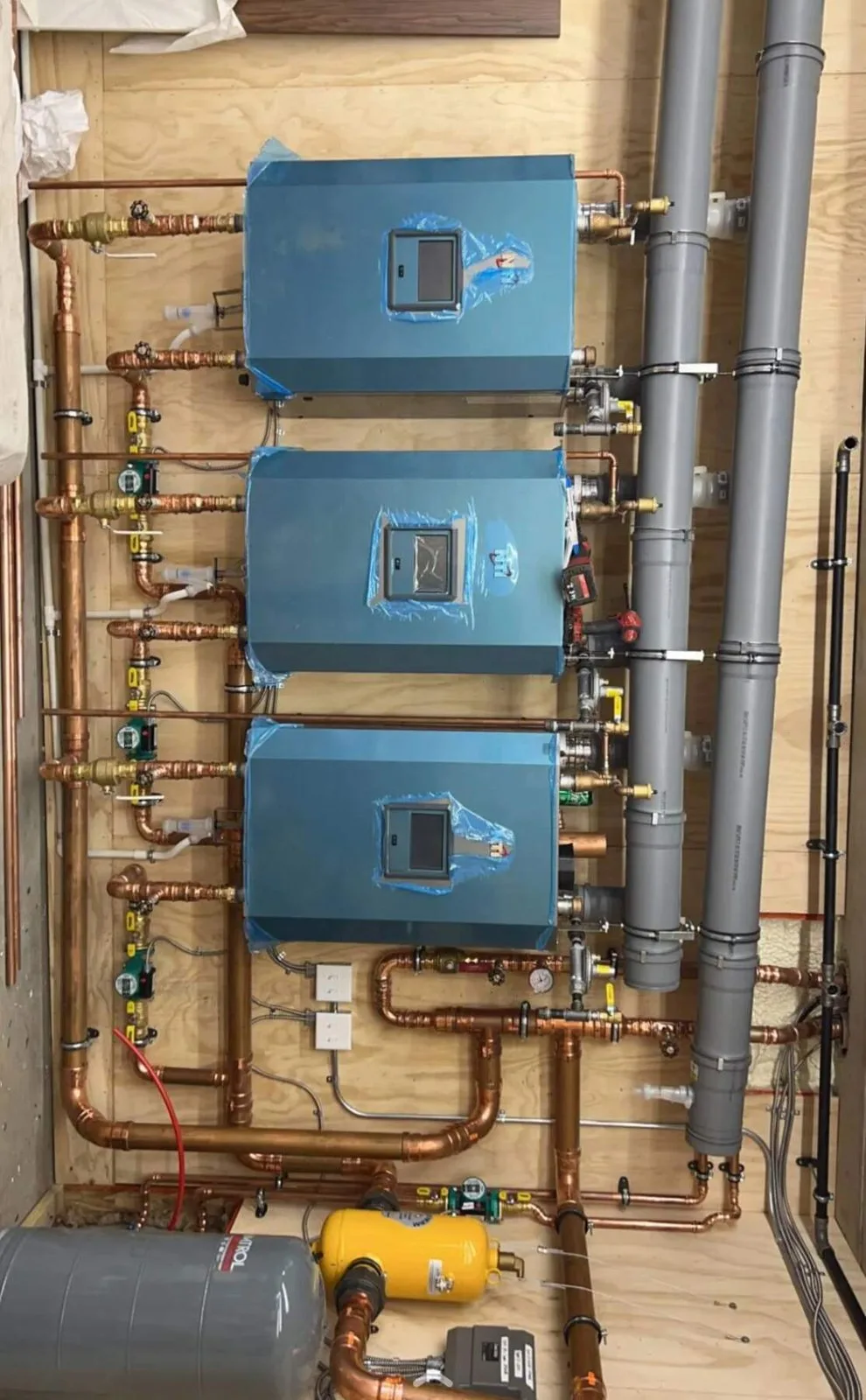
Radiators cold at the top or gurgling? How to bleed hot water radiators safely, tell steam from hot water, and read your boiler pressure gauge.
Read articleFree estimates and straight answers across the Twin Cities. After-hours emergency service available.