
Why Is My Carbon Monoxide Detector Beeping? Alarm vs. Chirp, and What to Do
A CO alarm can be warning you of danger, asking for a battery or telling you it's expired. How to tell the difference, what to do right away and when to call.
Read article
Inducer fan runs but the furnace won't light? The pressure switch may be stopping it. What it does, what trips it in a Minnesota winter and what to check.
Family-owned since 1980
Three generations of Twin Cities neighbors keeping homes and businesses comfortable.
NATE-certified technicians
Factory-trained, background-checked techs who explain the work before they start.
Bryant Factory Authorized Dealer
Top-tier equipment, factory warranties and rebates you can only get from an authorized dealer.
October 30, 2026 · 8 min read
 By Trevor Torgerson, Manager, Sales & Operations
The thermostat calls for heat. You hear the small fan inside the furnace spin up, it runs for a while, and then nothing. No click of the igniter, no burners. Eventually the fan stops, the furnace tries again, and the house keeps getting colder.
That pattern usually points to the pressure switch. It's a small safety device, but it stops a lot of furnaces on cold Minnesota mornings. Here's what it does, why it trips, what you can safely check, and why it should never be bypassed.
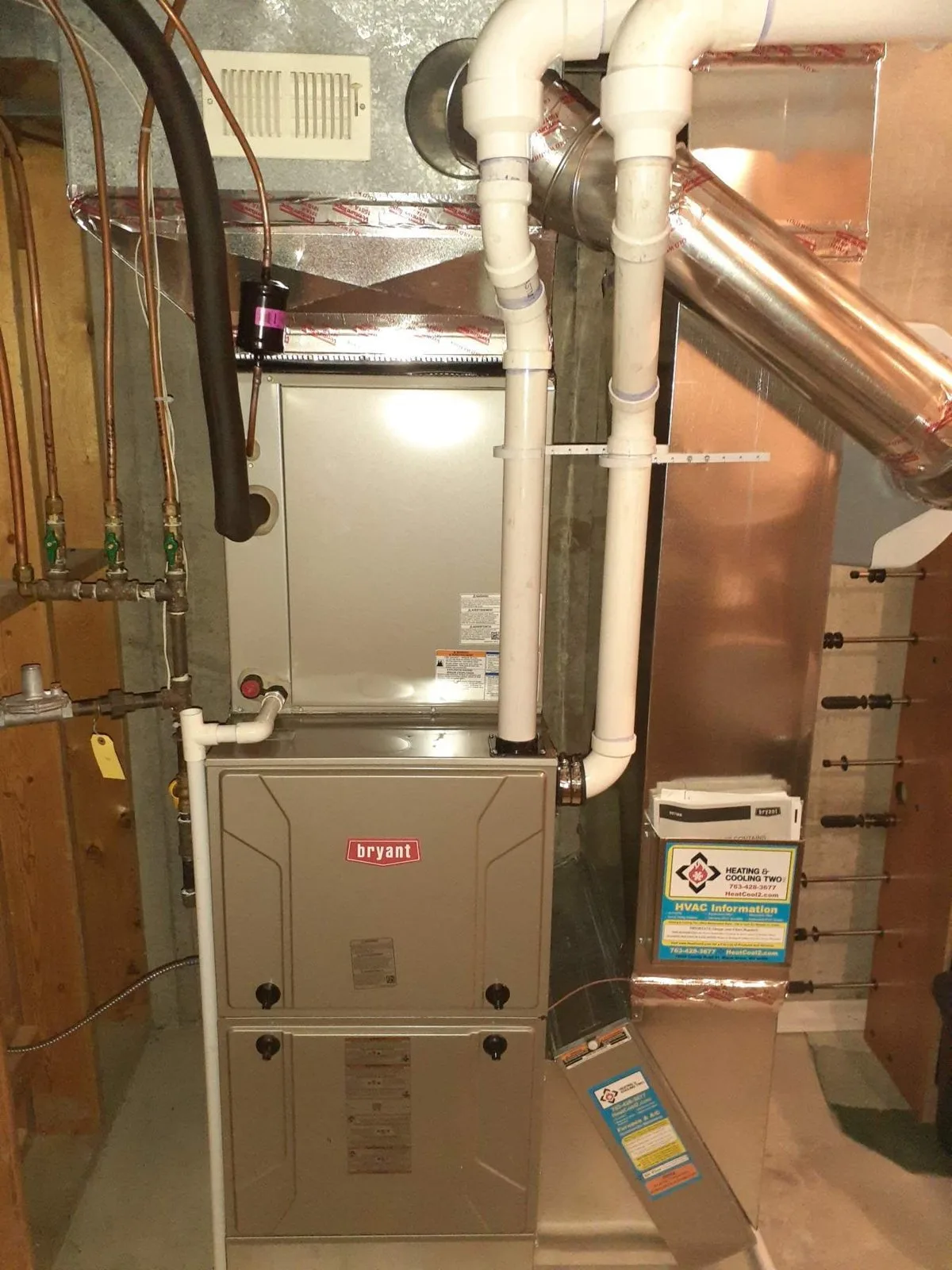
Before a gas furnace lights, a small motor called the inducer fan starts and pulls air through the burners and pushes exhaust out the vent pipe. The pressure switch is connected to that system by a thin rubber hose. When the inducer creates enough draft, the switch closes and tells the control board it's safe to light the burners.
If the switch doesn't close, the board won't open the gas valve. It's a check that the exhaust has a clear path out of the house before any fire is lit. That's exactly the job you want it doing, because exhaust that can't get out can end up inside.
In most cases, the switch itself is fine. It's doing its job because something is restricting the draft. These are the causes we find most often, roughly in order.
You'll find advice online about jumping the two wires on a pressure switch to get the furnace running. Don't do it, and don't let anyone else do it either. A jumped pressure switch lets the furnace light even when the exhaust has nowhere to go. That's how carbon monoxide ends up in a house.
If a technician needs to test the switch, it's done with a meter and a manometer, and the switch goes right back into service. If you ever find a pressure switch jumped or disconnected, turn the furnace off and call for service. Make sure you have working carbon monoxide alarms. Our post on carbon monoxide and Minnesota's CO alarm law covers where they belong.
On a service call, the technician reads the code, checks the vent and intake terminals, clears and tests the condensate trap and drain, inspects the pressure hose, and measures the draft the inducer actually produces. That reading tells them whether the problem is a restriction, a weak inducer or a failed switch.
Clearing a trap or replacing a hose is a small repair. A new pressure switch is also a modest part. An inducer motor costs more, and on an older furnace it's worth weighing against the furnace's age. You'll get the price before any work starts. If repairs keep adding up, our post on whether to repair or replace an aging furnace can help.
A yearly furnace tune-up cleans the condensate trap, checks the pressure hose and inducer, and confirms the vent terminals are clear and correctly installed. After every big snow, take thirty seconds to check the pipes outside. And if your vent pipes sit low on a side of the house where snow drifts, ask about extending or relocating the terminals.
If you've cleared the pipes and checked the drain and the furnace still won't light, schedule a furnace repair or call Heating & Cooling Two at 763-428-3677. Office hours are Monday through Friday, 7:30 a.m. to 4:30 p.m., and after-hours emergency service is available. Related reading: the furnace flame sensor, furnace blowing cold air and what to check when your furnace stops working.
Keep reading
A CO alarm can be warning you of danger, asking for a battery or telling you it's expired. How to tell the difference, what to do right away and when to call.
Read article
Radiators cold at the top or gurgling? How to bleed hot water radiators safely, tell steam from hot water, and read your boiler pressure gauge.
Read article
That blinking light on your furnace is a code. How to read the flashes, what the most common codes point to, what's safe to check and when to call for repair.
Read articleFree estimates and straight answers across the Twin Cities. After-hours emergency service available.