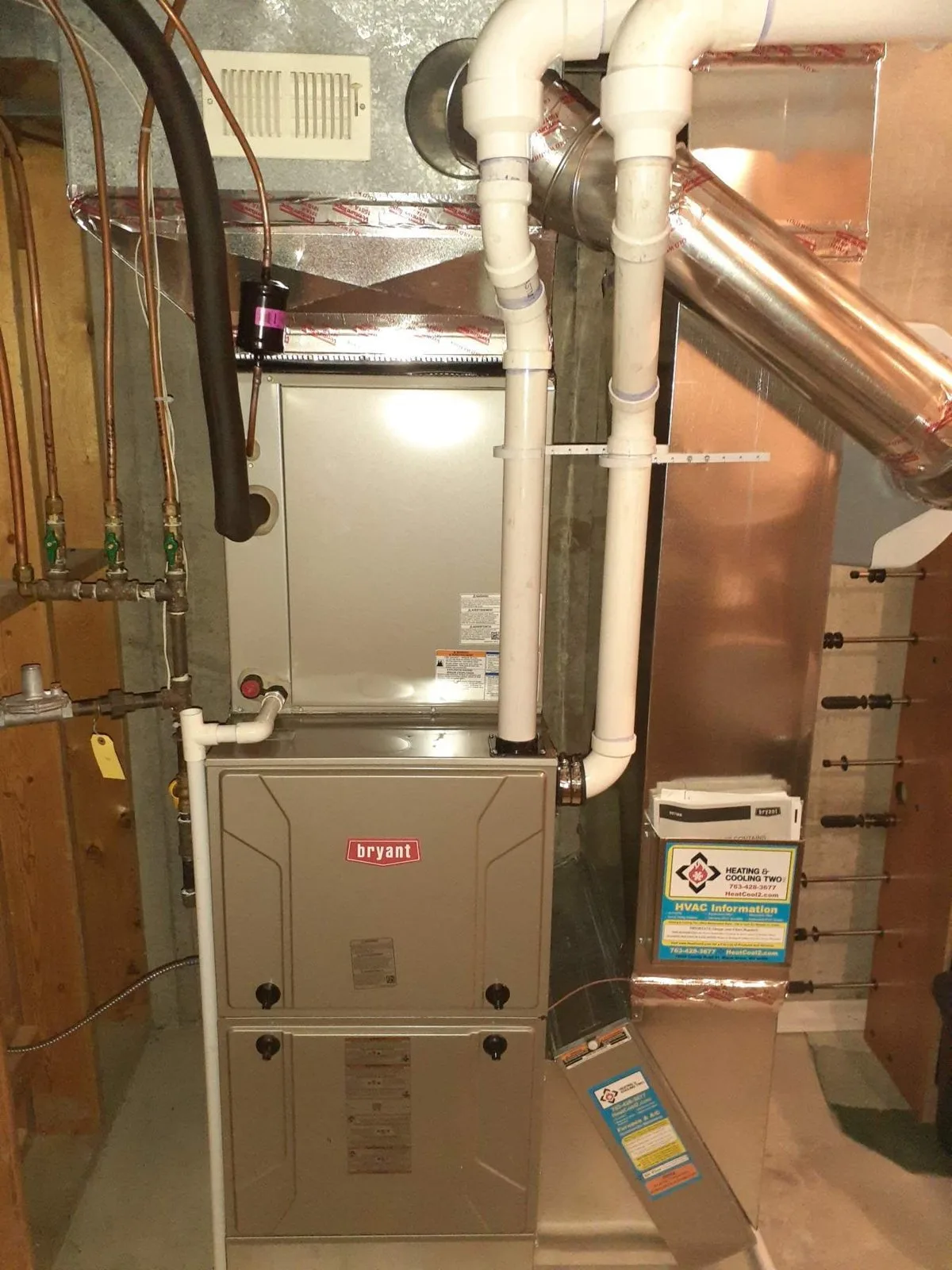
Furnace Pressure Switch: Why Your Furnace Won't Light and What Causes It
Inducer fan runs but the furnace won't light? The pressure switch may be stopping it. What it does, what trips it in a Minnesota winter and what to check.
Read article
Cold air from the vents with the heat on? The usual causes, from a fan setting to a tripped limit switch or iced vent pipe, and what's safe to check first.
Family-owned since 1980
Three generations of Twin Cities neighbors keeping homes and businesses comfortable.
NATE-certified technicians
Factory-trained, background-checked techs who explain the work before they start.
Bryant Factory Authorized Dealer
Top-tier equipment, factory warranties and rebates you can only get from an authorized dealer.
October 29, 2026 · 8 min read
 By Trevor Torgerson, Manager, Sales & Operations
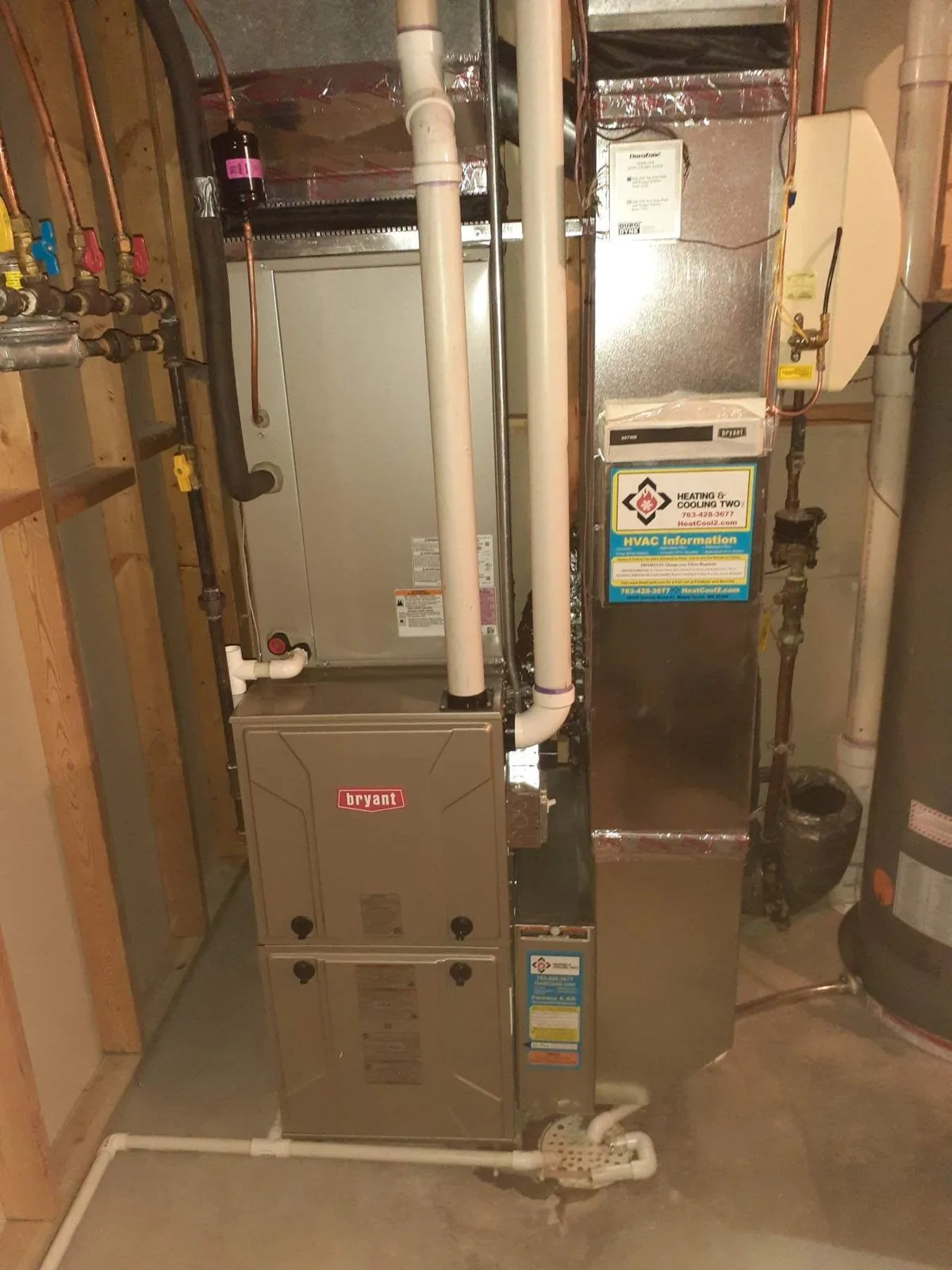
The thermostat says heat, the vents are blowing, and the air coming out feels cold. It's one of the most common winter calls we get, and the cause ranges from a thermostat setting you can fix in ten seconds to a furnace that has locked itself out for safety.
The key is that a furnace has two separate jobs. The burners make heat, and the blower moves air. When the blower runs but the burners don't, you get cold air. Most of the causes below are reasons the burners stopped while the fan kept going. Work through them in order.
This is the first thing to check, and it's surprisingly common. With the thermostat fan set to ON, the blower runs all the time, even when the furnace isn't heating. Between heating cycles, it pushes room-temperature or cooler air through the vents, which feels cold on your hand.
Set the fan to AUTO. The blower will then run only while the furnace is heating. If the air is warm during heating cycles and stops between them, that was the whole problem.
A modern furnace doesn't blow hot air instantly. When it starts, the inducer fan runs first, then the burners light, and the blower usually waits about a minute so the heat exchanger can warm up. At the end of a cycle, the blower keeps running for a minute or two to pull the last heat out. Air at the very start and very end of a cycle can feel cool.
Give it a few minutes. If the air turns warm after the furnace has been running for three or four minutes, it's working normally.
When the filter is clogged, not enough air moves across the heat exchanger. It overheats, and a safety switch called the high limit shuts the burners off. The blower keeps running to cool things down, so you feel cool air. Once it cools, the burners relight, and the cycle repeats.
Pull the filter and look at it. If it's gray and caked, replace it. Also make sure supply registers are open and return grilles aren't blocked by furniture. Our guide on how often to change a furnace filter covers sizes and MERV ratings.
If the burners try to light and fail several times, most furnaces lock out for a period and stop trying. Depending on the model, the blower may run during or after those attempts. A dirty flame sensor is the most common reason: the burners light for a few seconds and then shut off. A weak igniter or a gas supply problem can do the same.
Look at the small window on the furnace's lower panel. A blinking status light usually means the control board has logged an error code. Count the flashes before you do anything else. Turning the power off for a minute and back on can reset a lockout once. If it locks out again, stop resetting it and call. Our post on the furnace flame sensor explains the light-then-shut-off pattern.
High-efficiency furnaces breathe through two white plastic pipes on the side of the house. If drifting snow, ice or frost blocks either one, a pressure switch keeps the burners from lighting. On some furnaces, the blower still runs. After a Minnesota snowstorm or a stretch of extreme cold, this is one of the first places to look.
Go outside and check the pipe openings. Clear snow and ice gently by hand. Don't chip at the pipe. Our guide to furnace vent pipes, snow and ice shows what normal looks like.
High-efficiency furnaces make water, and it drains through a trap and hose. If the drain clogs, or freezes where it passes through a cold space, water backs up and a safety switch shuts the burners down. Gurgling sounds or water around the base of the furnace are the clues. Our post on a furnace leaking water walks through the drain system.
If the gas valve to the furnace is closed, or the gas supply to the house is interrupted, the burners can't light. Check that the gas shutoff handle on the pipe next to the furnace is parallel to the pipe, which means open. If you just had work done on the house, someone may have closed it. Check whether other gas appliances, like the water heater or stove, are working.
If you smell gas at any point, don't touch switches or try to relight anything. Leave the house and call 911 or your gas utility from outside.
If your home has a heat pump, alone or paired with a furnace in a dual-fuel system, the air from the vents is naturally cooler than furnace heat. A gas furnace often delivers air well above 100 degrees. A heat pump typically delivers air in the 90s, and less on very cold days. That air is still warming the house, but it can feel cool on your hand.
Heat pumps also run a defrost cycle in cold, damp weather. For a few minutes, the system reverses to melt frost off the outdoor coil, and the air inside may feel cool unless backup heat kicks in. That's normal. Our post on ice on a heat pump explains what to expect.
Call if you've set the fan to AUTO, replaced the filter, checked the vent pipes and gas valve, and the furnace still blows cold. Call right away if the furnace is locking out repeatedly, if you see a blinking error code you can't clear, or if it's below zero and the house is losing heat. If anyone in the house has a headache, dizziness or nausea, or a carbon monoxide alarm sounds, get everyone outside and call 911 first.
Our furnace troubleshooting checklist covers the safe homeowner steps in order. When you're ready for help, schedule a furnace repair or call Heating & Cooling Two at 763-428-3677. Office hours are Monday through Friday, 7:30 a.m. to 4:30 p.m., and after-hours emergency service is available. Homeowners near our shop can learn more about furnace repair in Maple Grove.
Keep reading
Inducer fan runs but the furnace won't light? The pressure switch may be stopping it. What it does, what trips it in a Minnesota winter and what to check.
Read article
A CO alarm can be warning you of danger, asking for a battery or telling you it's expired. How to tell the difference, what to do right away and when to call.
Read article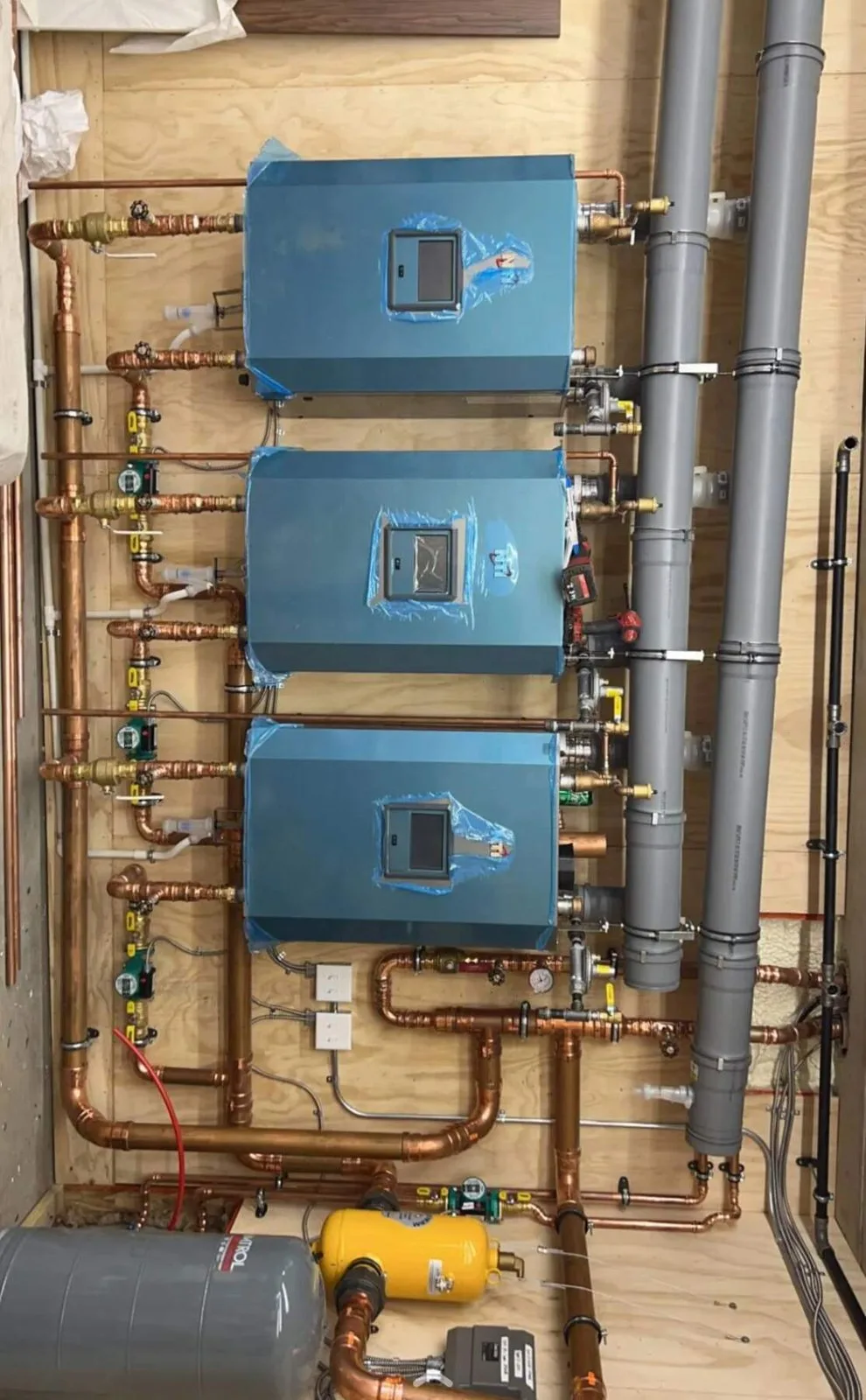
Radiators cold at the top or gurgling? How to bleed hot water radiators safely, tell steam from hot water, and read your boiler pressure gauge.
Read articleFree estimates and straight answers across the Twin Cities. After-hours emergency service available.