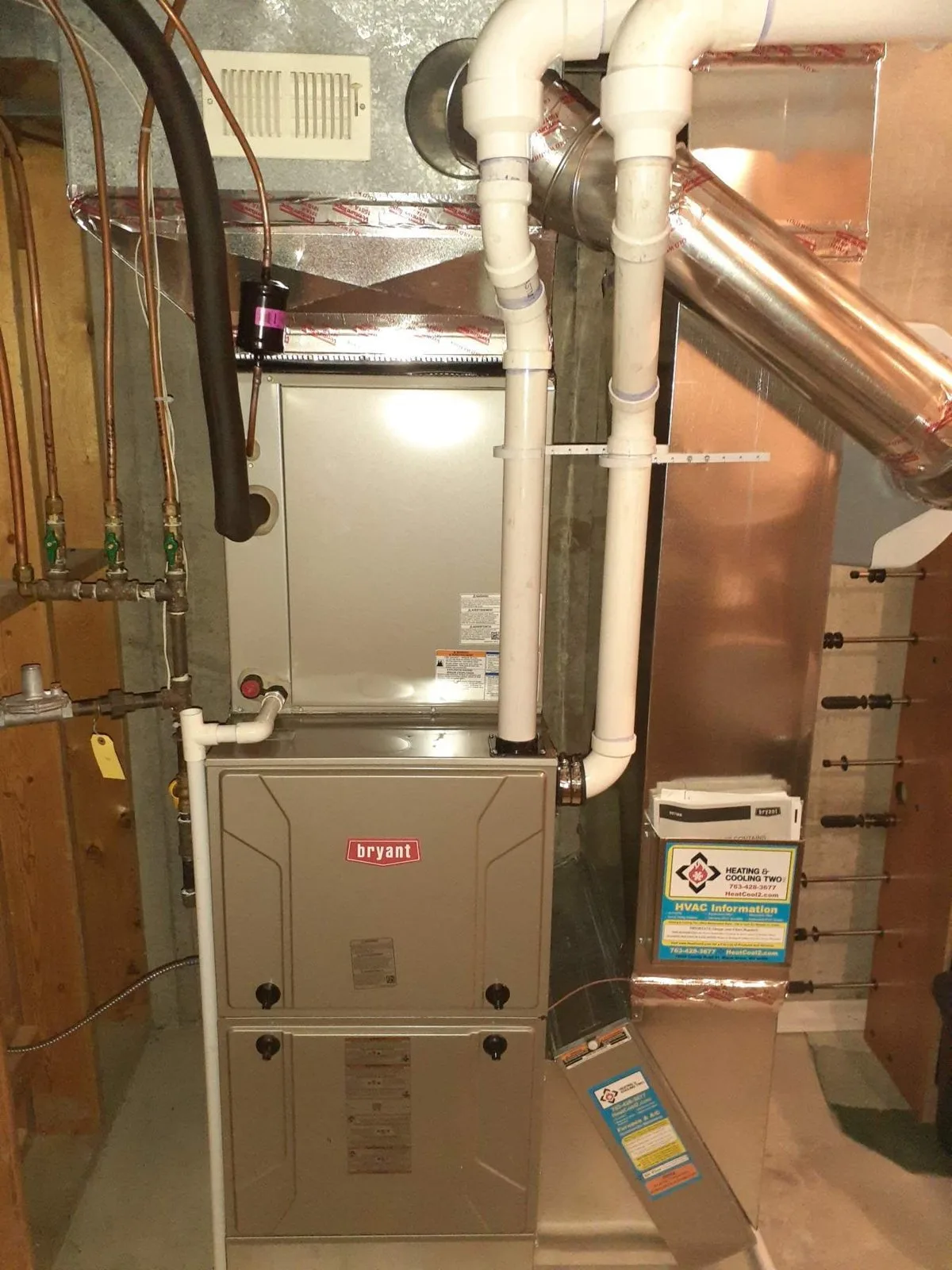
Furnace Pressure Switch: Why Your Furnace Won't Light and What Causes It
Inducer fan runs but the furnace won't light? The pressure switch may be stopping it. What it does, what trips it in a Minnesota winter and what to check.
Read article
Furnace lights for a few seconds, then shuts off? The flame sensor is a common cause. What it does, why it fails and what a repair involves.
Family-owned since 1980
Three generations of Twin Cities neighbors keeping homes and businesses comfortable.
NATE-certified technicians
Factory-trained, background-checked techs who explain the work before they start.
Bryant Factory Authorized Dealer
Top-tier equipment, factory warranties and rebates you can only get from an authorized dealer.
October 28, 2026 · 7 min read
 By Trevor Torgerson, Manager, Sales & Operations
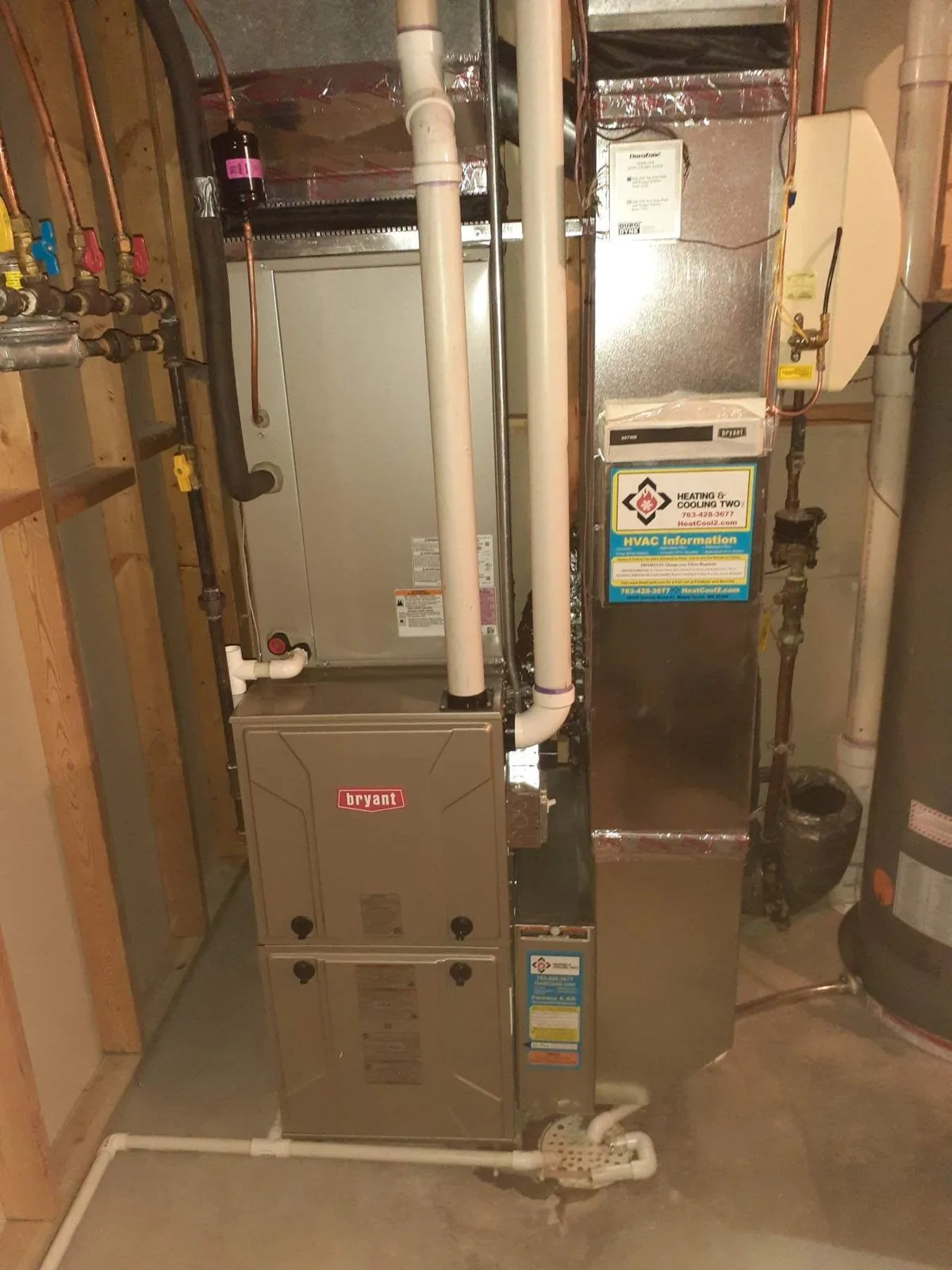
You hear the furnace start. The inducer fan spins up, the burners light, and a few seconds later everything shuts off. Then it tries again. If that sounds familiar, there's a good chance the culprit is a part most homeowners have never heard of: the flame sensor.
It's one of the most common furnace repair calls we get in the first cold weeks of the season. Here's what the flame sensor does, why it fails, how to tell if it's your problem, and what a repair involves.
The flame sensor is a thin metal rod, usually with a white porcelain base, that sits right in the path of a burner flame. Its only job is to confirm that the gas actually lit.
When the burners ignite, the flame lets a tiny electrical current pass from the sensor through the flame to the burner. The furnace's control board watches for that current. If it sees it, the gas stays on. If it doesn't see it within a few seconds, the board assumes the flame never lit and shuts off the gas valve so unburned gas doesn't fill the furnace. It's a safety device, and an important one.
The problem is that the board can't tell the difference between no flame and a sensor that can't read the flame. So a dirty or failing sensor makes a perfectly good flame look like a failed ignition.
That repeated try-and-quit pattern is the giveaway. If the burners never light at all, the problem is more likely the igniter, the gas supply, a pressure switch or a blocked vent. Our post on why a furnace keeps turning on and off walks through how to tell the different cycling patterns apart.
Over time, the sensor rod gets coated with a thin film from combustion. Dust drawn into the furnace adds to it. That coating insulates the rod and weakens the signal until the board can't read it reliably. It doesn't happen all at once. It builds up over a heating season or two, which is why a furnace that worked fine in spring can start acting up on the first cold night of fall.
Other causes are less common but matter. The porcelain base can crack, the rod can bend out of the flame, the wire connection can loosen or corrode, or the furnace's ground connection can be poor. And if a sensor gets dirty again quickly after cleaning, that can point to a combustion problem, like incorrect gas pressure or a dirty burner, rather than a sensor problem.
People mix these two up all the time, and it matters because they fail in different ways. The igniter is the part that lights the gas. On most modern furnaces it's a hot surface igniter, a small element that glows bright orange for several seconds before the gas valve opens. The flame sensor comes after that. It doesn't light anything. It just confirms that the flame is there.
So the order of events tells you a lot. If you can see or hear the igniter glow but the burners never light, the igniter, gas valve or gas supply is the likely problem. If the burners light and then go out a few seconds later, the flame sensor is the likely problem. If nothing happens at all after the inducer fan starts, a pressure switch or blocked vent pipe is more likely. After a snowstorm, check the white pipes outside first. Our post on furnace vent pipes, snow and ice shows what to look for.
A furnace that sat idle all summer starts the season with a sensor that's been collecting dust and residue for months. In October and November, when the furnace only runs a few cycles a day, a weak signal may still be just good enough. Then the first real cold snap arrives, the furnace starts cycling all day and night, and those marginal ignitions start failing. That's why flame sensor problems so often show up the first time Minnesota temperatures drop into the single digits. A fall tune-up before that happens is the easiest way to avoid it.
You'll find plenty of videos showing homeowners pulling out a flame sensor and rubbing it with steel wool. We don't recommend it. The sensor sits inside the burner compartment, right next to the gas burners and ignition parts, and it's easy to crack the porcelain, damage the wire or reinstall it slightly out of the flame.
There's a bigger reason, too. The same symptoms can come from a weak igniter, low gas pressure, a grounding problem or a control board issue. Cleaning the sensor may get the furnace running for a week and hide the real cause until the coldest night of the year. A technician can measure the actual flame signal, check gas pressure and look at the burners at the same time.
What you can safely do: check that the filter isn't clogged, make sure the thermostat is set to heat, and turn the furnace's power off for a minute and back on once to reset it. If it locks out again, stop resetting it and call. Our furnace troubleshooting checklist covers the safe steps in order.
On a service call, the technician will confirm the symptom, read any error codes, and measure the flame signal. If the sensor is dirty but in good shape, it gets cleaned and reinstalled in the correct position. If the porcelain is cracked, the rod is worn or the signal stays weak after cleaning, it gets replaced.
A flame sensor is one of the less expensive furnace repairs, well below parts like an inducer motor or control board. You'll get the price before any work starts. While the furnace is open, the technician should also check the igniter, burners and gas pressure so you're not back in the same spot next month.
Cleaning and testing the flame sensor is part of every furnace tune-up, along with cleaning the burners, checking the igniter and measuring gas pressure. That's why furnaces on an annual maintenance plan rarely have flame sensor failures in the middle of winter. Changing the filter on schedule helps too, because less dust reaches the burner area.
Here's what a proper furnace tune-up covers if you want the full list.
If your furnace is stuck in a light-and-shut-off loop, don't keep resetting it. Call Heating & Cooling Two at 763-428-3677 or schedule a furnace repair. Office hours are Monday through Friday, 7:30 a.m. to 4:30 p.m., and after-hours emergency service is available. If you live near our shop, see our page on furnace repair in Maple Grove.
Keep reading
Inducer fan runs but the furnace won't light? The pressure switch may be stopping it. What it does, what trips it in a Minnesota winter and what to check.
Read article
A CO alarm can be warning you of danger, asking for a battery or telling you it's expired. How to tell the difference, what to do right away and when to call.
Read article
Radiators cold at the top or gurgling? How to bleed hot water radiators safely, tell steam from hot water, and read your boiler pressure gauge.
Read articleFree estimates and straight answers across the Twin Cities. After-hours emergency service available.