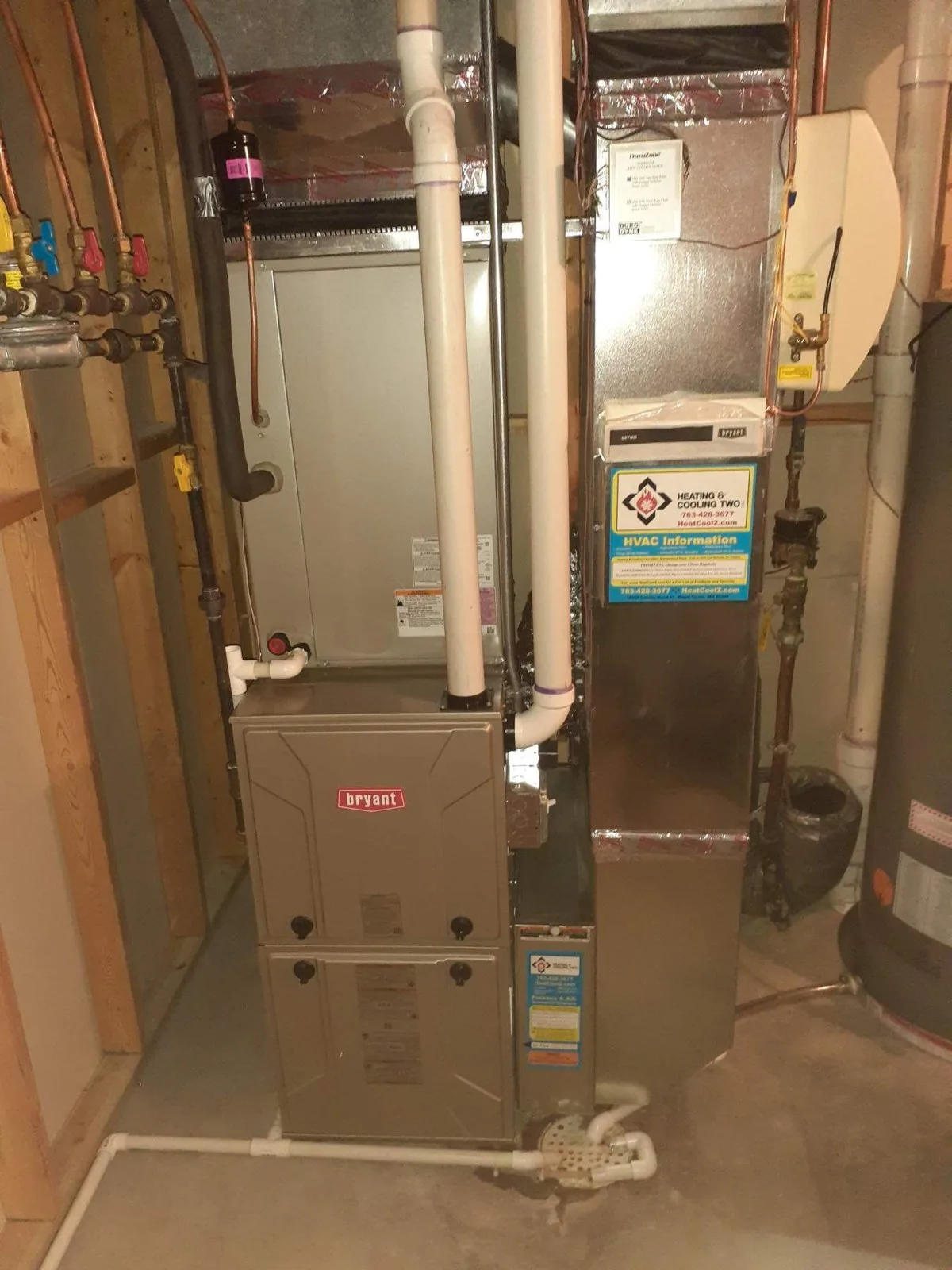
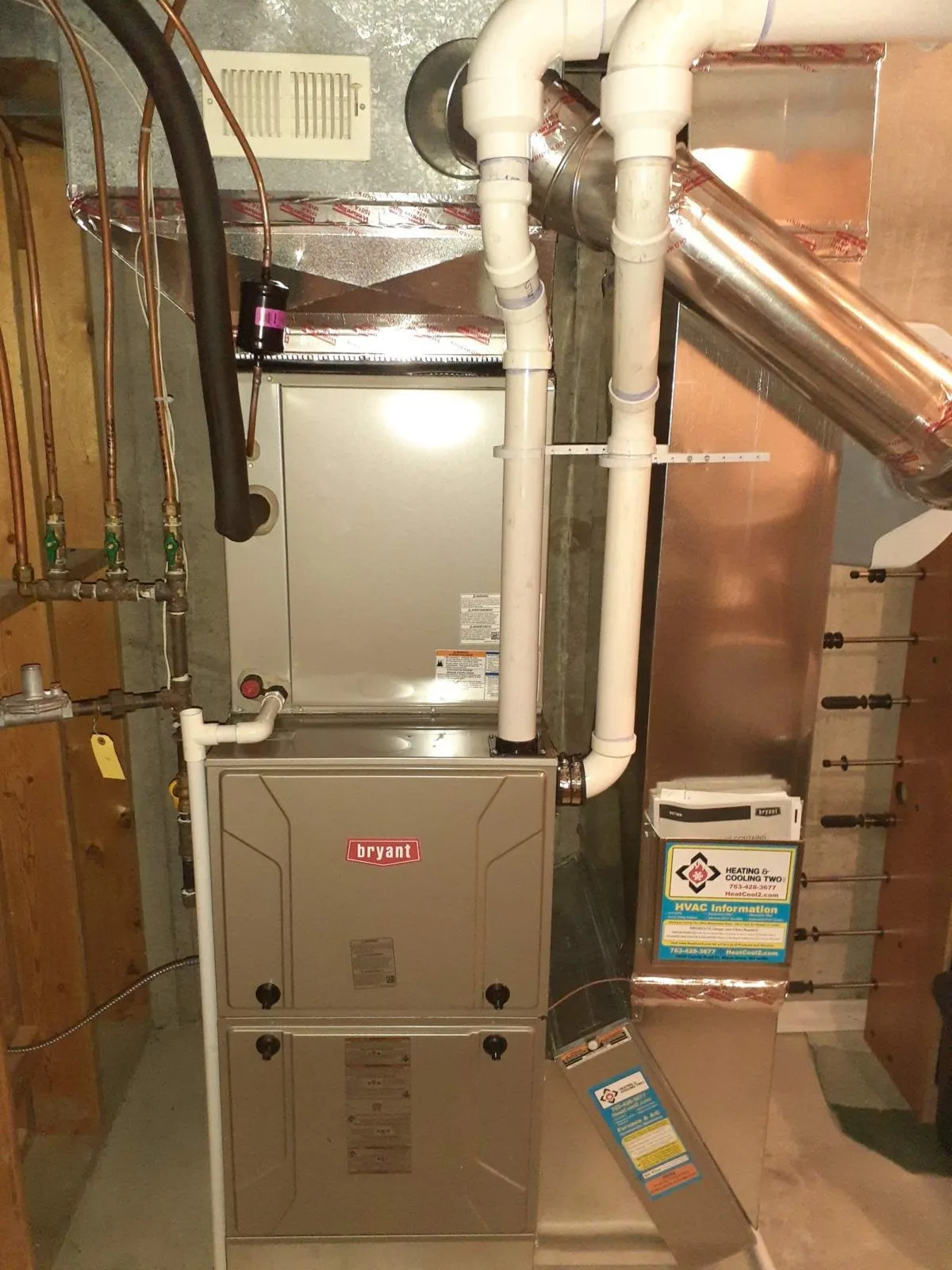
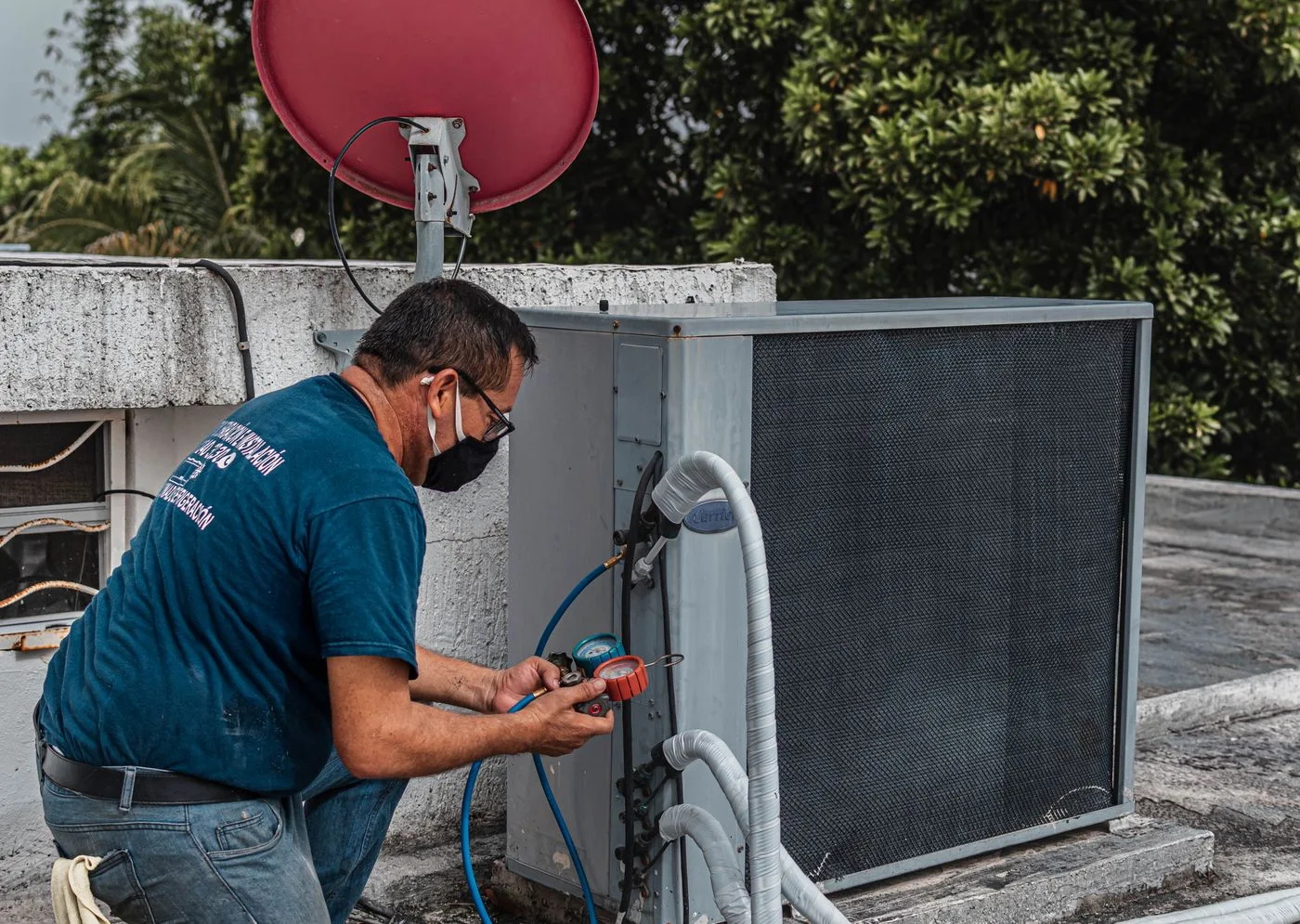
A dusty, slightly burnt smell for the first hour or so after you turn the heat on in the fall is normal. It's dust burning off the heat exchanger and burners after months of sitting idle. A burning plastic or electrical smell, a rotten-egg smell, or a smell that lasts more than a day is not normal. Shut the furnace off and call for service, and if you smell gas, leave the house first and call from outside.
Every fall, the first cold night brings a wave of calls about furnace smells. Most of them turn out to be the harmless first-run smell. But a few are real problems, and it's worth knowing the difference. This guide goes through the odors we hear about most often, what usually causes them, and how urgent each one is.
We use three urgency levels. “Normal” means it should go away on its own. “Schedule soon” means something needs attention, but the furnace can usually run until a technician can look at it. “Shut off now” means turn the furnace off at the thermostat and, where noted, get out of the house.
Dusty or burning-dust smell when you first turn on the heat
Over the summer, a thin layer of dust settles on the burners, heat exchanger and inside the ductwork. The first time the furnace runs in the fall, that dust heats up and burns off. It smells like a hot iron or a toaster, it's strongest near the registers, and it fades within an hour or a few hours of run time.
What you can do: replace the filter before the first cold night, and open a window for a bit if the smell bothers you. Urgency: normal. If it's still strong after a full day of running, or it comes back every time the furnace starts, have it checked.
Burning plastic, rubber or electrical smell
A sharp smell of hot plastic, melting rubber or electrical burning is different from dust. Inside a furnace, it can come from an overheating blower motor, a failing capacitor, a wire with damaged insulation or a burnt component on the control board. Sometimes it's simpler: a plastic toy, a dryer sheet or debris that fell into a floor register and is sitting on a hot duct.
What you can do: turn the furnace off at the thermostat and switch off power at the furnace service switch. Check the registers near where the smell is strongest for anything that fell in. Don't open the control panel or touch wiring. Urgency: shut off now and schedule a furnace repair. If you see smoke or sparks, or the smell is getting stronger with the furnace off, get out and call 911.
Rotten eggs or sulfur
Natural gas and propane have no smell of their own. Utilities add an odorant that smells like rotten eggs so leaks can be detected. If you smell it near the furnace, water heater or anywhere in the house, treat it as a gas leak.
What you can do: leave the house right away and take everyone with you. Don't flip light switches, use the phone inside, start a car in an attached garage or try to find the leak. Once you're outside and away from the house, call 911 or your gas utility's emergency line. Utilities respond to gas leak calls and can shut off the gas. Urgency: shut off now and leave. Once the utility has made the house safe, we can find and repair the source.
Musty, moldy or mildew smell
A damp, musty smell when the furnace runs usually means moisture somewhere in the air system. In Minnesota homes, common sources are a damp basement, a humidifier that's been running too high or has a dirty pad, standing water in the AC coil's drain pan, a clogged condensate line, or dust and debris in ductwork that runs through a humid space.
What you can do: replace the filter, check the humidifier pad and setting, and look for water around the furnace and the AC coil above it. Keep winter indoor humidity in a reasonable range; our post on window condensation and indoor humidity explains how to set it. Urgency: schedule soon. A technician can check the coil, drain pan and condensate system, and our indoor air quality team can recommend fixes for ongoing moisture or odor problems.
Exhaust, fumes or a smell like car exhaust
Carbon monoxide itself has no smell. But a furnace that's venting poorly often produces other combustion odors along with it: a sharp, stale exhaust smell, or something like formaldehyde. It can come from a blocked or disconnected flue pipe, an ice-blocked vent terminal, a cracked heat exchanger or a backdrafting chimney on an older furnace.
What you can do: if your CO alarm is sounding, or anyone has a headache, dizziness, nausea or sleepiness that improves when they leave the house, get everyone outside and call 911. The U.S. Consumer Product Safety Commission's carbon monoxide information center lists the symptoms to watch for. If there's no alarm and no symptoms, turn the furnace off and call for service. Urgency: shut off now. Minnesota law requires working CO alarms near sleeping rooms; our post on carbon monoxide and Minnesota's CO alarm law covers placement and testing, and what a cracked heat exchanger means explains one of the causes.
Oily or chemical smell
An oily smell can come from an overheating motor or from a newly installed furnace as factory coatings burn off during the first few heating cycles. A new-furnace smell is normal and should be gone within the first day or two of running. On an older furnace, an oily smell that keeps coming back usually points to a motor running hot.
What you can do: on a new installation, run the furnace and ventilate. On an older one, note when the smell appears. Urgency: normal for a brand-new furnace; schedule soon for an existing one.
Smoke or a smell like a campfire
Smoke smell from the registers can come from a fireplace or wood stove backdrafting into the house, a chimney that's blocked, or a furnace or water heater flue that isn't drafting properly. It can also come from the burning-plastic causes above.
What you can do: if you have a fire going, put it out safely and open the damper. If not, turn off the furnace. Urgency: shut off now if the source isn't obvious. Poor drafting means exhaust may be entering the house.
Prevent most furnace smells with a fall tune-up
Most of the smells on this list are caught early during an annual tune-up. A technician cleans the burners and flame sensor, checks the heat exchanger and venting, tests motors and capacitors for overheating, checks gas pressure, clears the condensate system and looks for signs of moisture. A maintenance plan keeps that visit on the calendar every year, and our fall HVAC checklist covers what you can do yourself.
If your furnace smells wrong and you're not sure what you're dealing with, turn it off and call us at 763-428-3677, or schedule a furnace repair visit. Office hours are Monday through Friday, 7:30am to 4:30pm, and after-hours emergency service is available. If you smell gas or a CO alarm is sounding, get outside first and call 911 or your gas utility.

 By
By