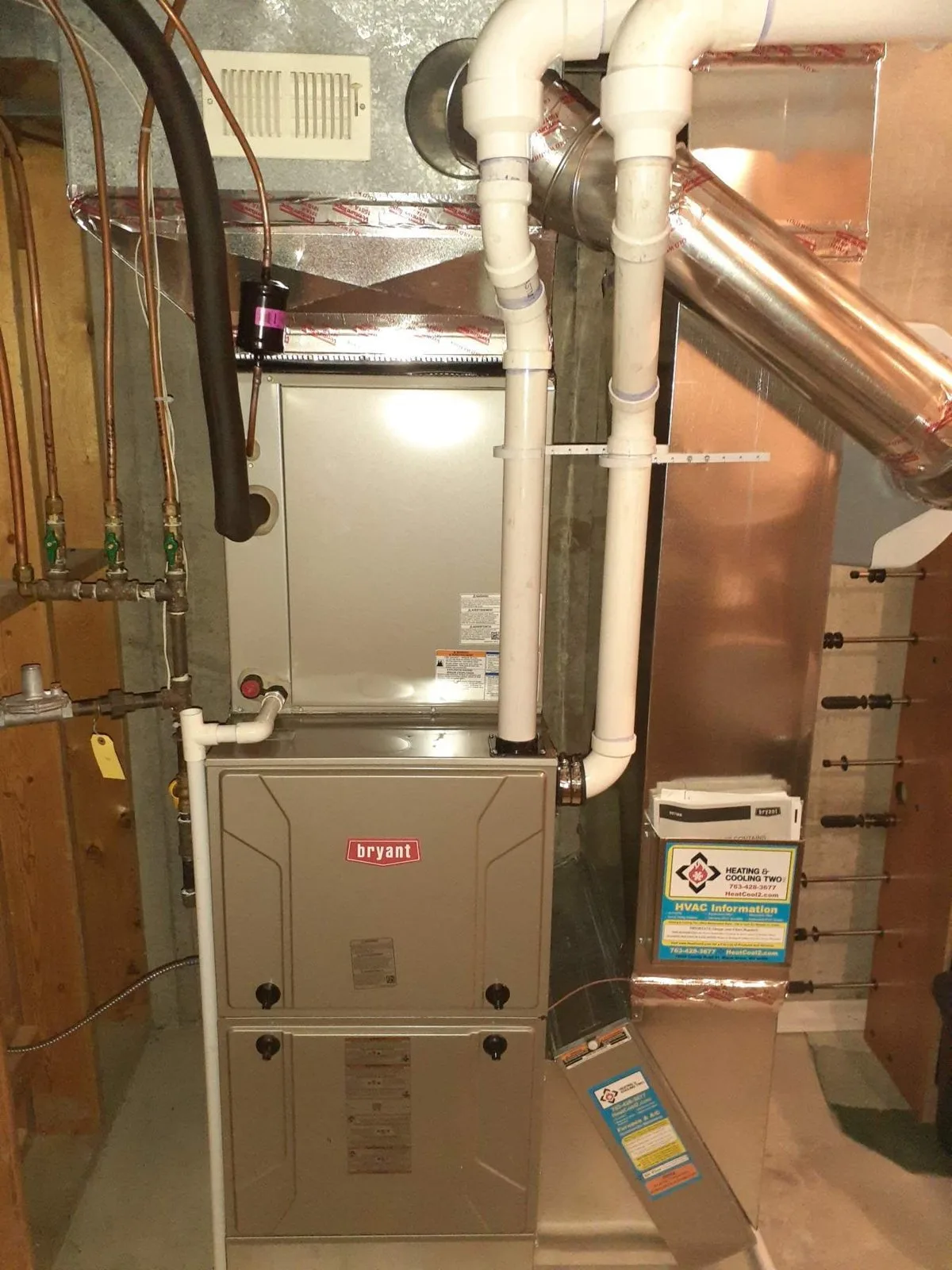
Cracked Heat Exchanger Symptoms: The Warning Signs You Can Spot at Home
The warning signs of a cracked furnace heat exchanger, which ones are reliable, what can look similar, and what to do tonight if you suspect one.
Read article
When a furnace overheats, the high-limit switch shuts the burners off. What trips it, what you can safely check, and why repeated trips matter.
Family-owned since 1980
Three generations of Twin Cities neighbors keeping homes and businesses comfortable.
NATE-certified technicians
Factory-trained, background-checked techs who explain the work before they start.
Bryant Factory Authorized Dealer
Top-tier equipment, factory warranties and rebates you can only get from an authorized dealer.
November 28, 2026 · 10 min read
 By Trevor Torgerson, Manager, Sales & Operations
A furnace limit switch is a safety switch that shuts off the burners when the furnace gets too hot. If your furnace runs a few minutes, the burners go out while the blower keeps running, and then it relights a little later, the limit switch is probably tripping. The cause is almost always too little airflow: a clogged filter, closed or blocked registers, a dirty blower or AC coil, or ductwork that's too small. Replace the filter and open your registers first. If it keeps happening, call for service, because repeated overheating is hard on the heat exchanger.
The limit switch is one of the most common reasons a furnace short cycles, and one of the least understood. Here's what it does, how to tell it's the culprit, what trips it, and what a technician should check.
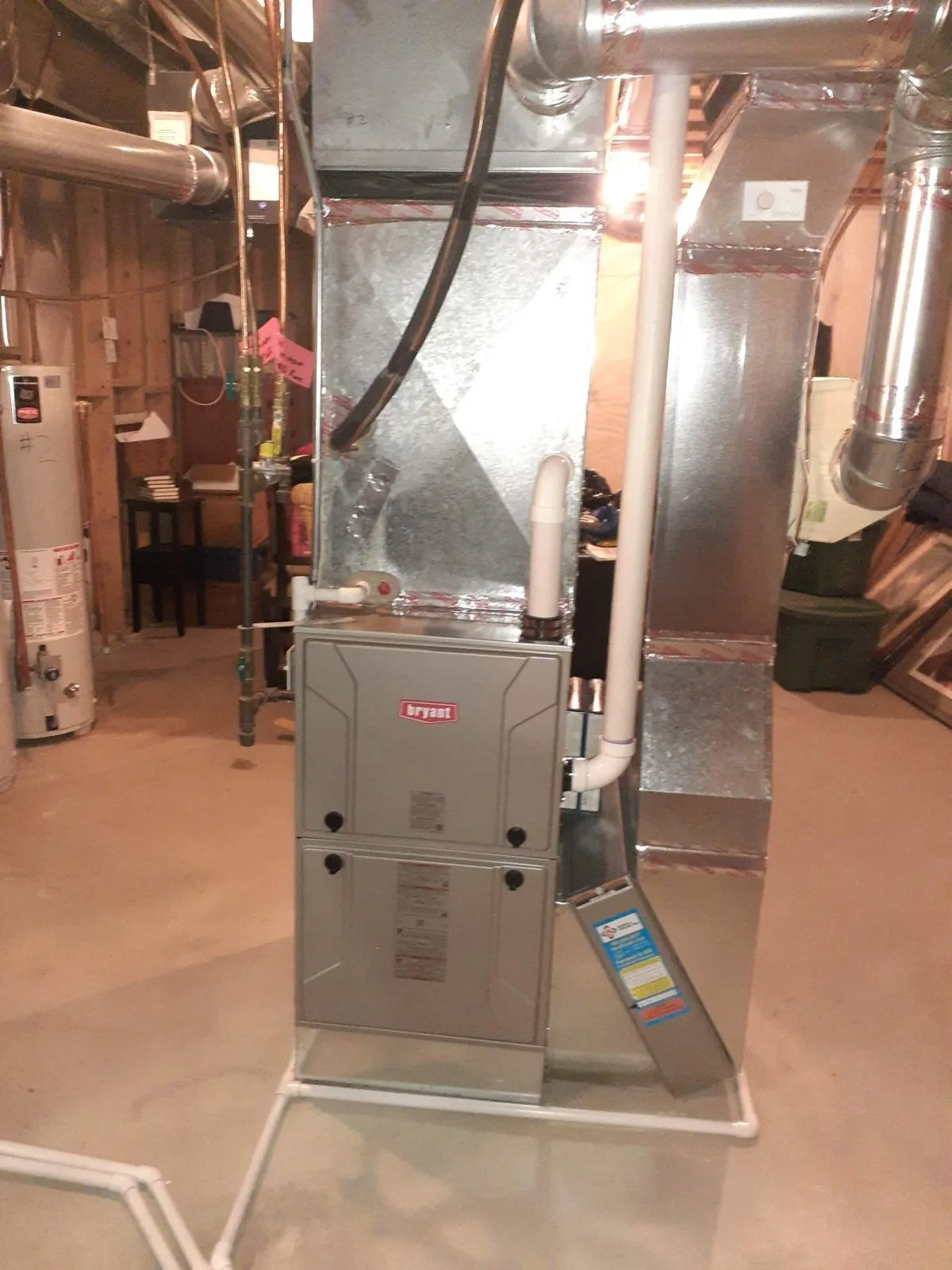
Every gas furnace has a high-limit switch, usually mounted on the supply side of the cabinet near the heat exchanger, with a sensor that reads the temperature there. In normal operation the switch is closed and the furnace runs. If the temperature climbs past the setting the manufacturer chose for that furnace, the switch opens and the control board shuts off the gas. The blower keeps running to carry heat away. Once things cool down, most limit switches close again on their own and the furnace is allowed to restart.
Bryant describes the furnace limit switch as a component that protects the system from overheating, and notes that an airflow restriction such as a dirty filter is a classic reason it opens. Carrier's limit switch guide says the same thing: trips are typically caused by severely restricted airflow across the heat exchanger.
On older furnaces, you may find a combination fan and limit control with a round dial, which both turns the blower on and off and acts as the high limit. Newer furnaces use a separate limit switch and let the control board run the blower.
Because most limit switches reset themselves, a furnace can trip its limit for weeks or even years without anyone noticing. The house still gets heat, just in short bursts. These are the signs:
Furnaces have several safety switches, and they get mixed up. Knowing which one is involved changes how worried you should be.
Nearly every limit trip comes down to heat building up faster than air can carry it away. Here's where we find the cause, roughly in order of how often we see it.
Don't keep cycling the power to force the furnace back on, and never jumper, bypass or remove a limit switch. Don't replace it with one that has a higher temperature rating, either. The limit switch is what keeps an overheating furnace from damaging itself. If you've done the checks above and it still trips, it's time for a technician.
A good diagnosis measures airflow and heat instead of guessing. Expect a technician to:
A limit trip is the furnace protecting itself, which is good. But a furnace that trips its limit every day is living right at the edge of its safe operating range. The heat exchanger runs hotter than it was designed to and goes through extra heat-up and cool-down cycles. Over years, that's one of the leading causes of cracked heat exchangers. It also means wasted gas, uneven rooms, extra wear on the igniter and blower, and a furnace that may lock itself out on the coldest night of the year.
If the cause turns out to be ductwork that's too small for the furnace, the fix may be adding or enlarging returns. Our own sheet metal shop builds custom ductwork for exactly these situations. If the furnace itself is too big for the house, that's worth knowing before your next replacement. See why bigger isn't better.
If your furnace keeps shutting off mid-cycle, we'll find out why and fix the cause, not just the symptom. Our family-owned company has served the Twin Cities since 1980, and our NATE-certified technicians measure airflow and temperature rise on every diagnosis. Schedule a furnace repair visit or call 763-428-3677. Office hours are Monday through Friday, 7:30am to 4:30pm, and after-hours emergency service is available. An annual furnace tune-up catches dirty blowers and airflow problems early. Homeowners near our shop can learn more about furnace repair in Maple Grove.
Keep reading
The warning signs of a cracked furnace heat exchanger, which ones are reliable, what can look similar, and what to do tonight if you suspect one.
Read article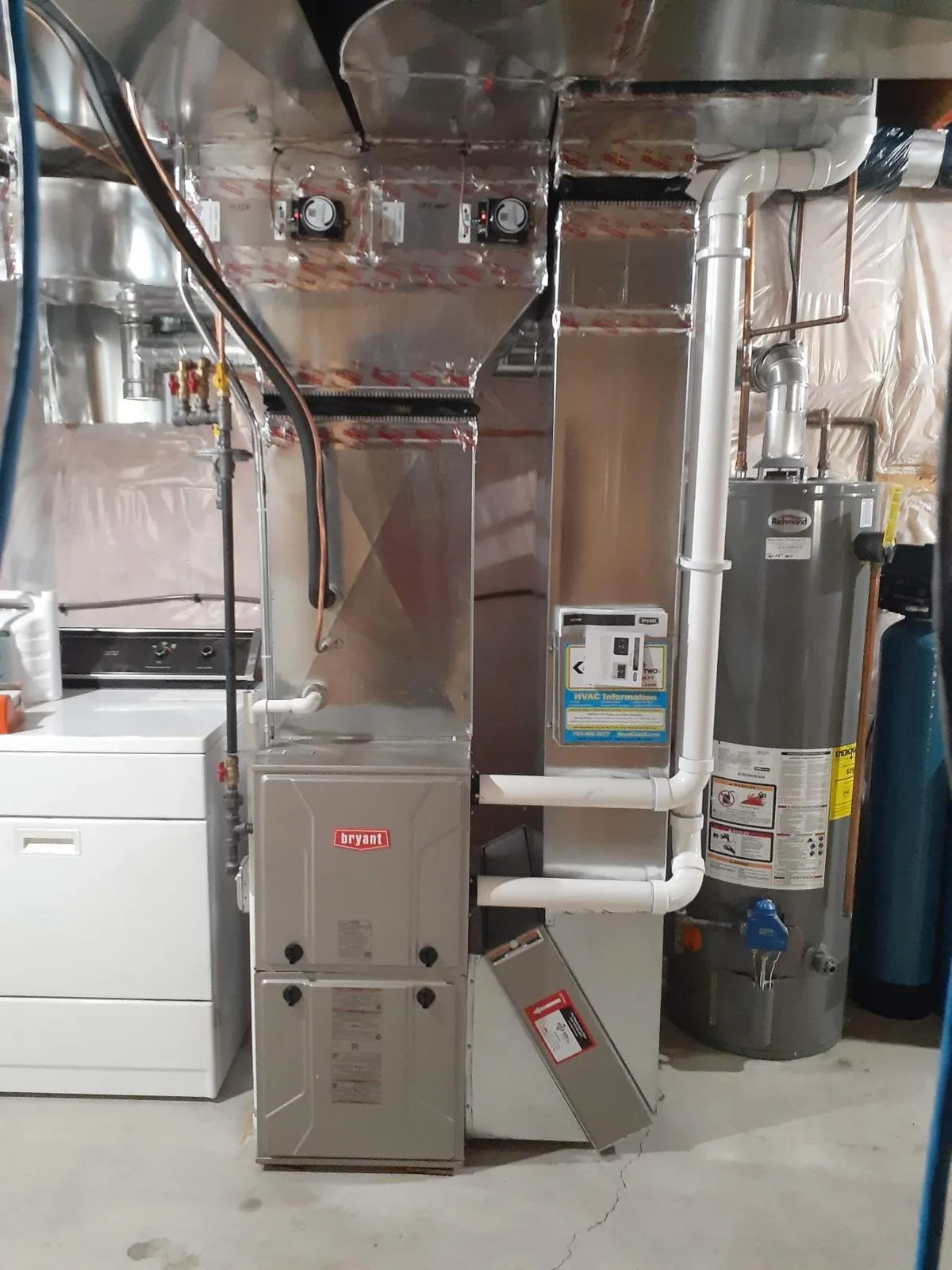
What drives the cost to replace a furnace heat exchanger, what warranties do and don't cover, and how to tell when a new furnace is the smarter spend.
Read article
Leaving home this winter? The safe thermostat setting for a Minnesota house, plus a pre-trip checklist for pipes, furnace, vent pipes and water heater.
Read articleFree estimates and straight answers across the Twin Cities. After-hours emergency service available.