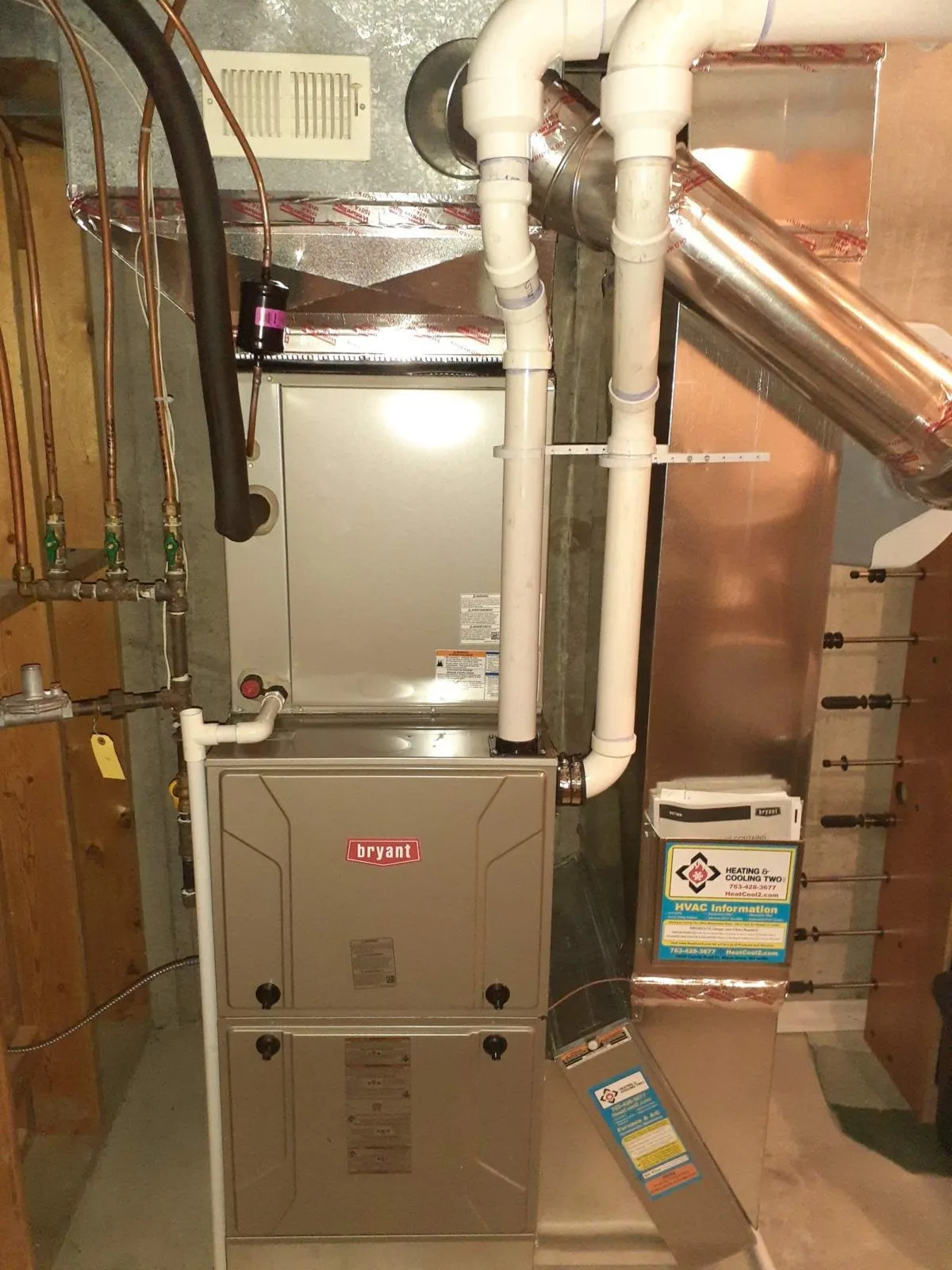
Why Does My Furnace Keep Turning On and Off? Short Cycling Explained
A furnace that runs a few minutes, shuts off and restarts is short cycling. Common causes, what you can safely check, and when to call for repair.
Read article
Most gas furnaces last 15 to 20 years, but Minnesota winters work them hard. What shortens a furnace's life, signs it's wearing out, and how to plan ahead.
Family-owned since 1980
Three generations of Twin Cities neighbors keeping homes and businesses comfortable.
NATE-certified technicians
Factory-trained, background-checked techs who explain the work before they start.
Bryant Factory Authorized Dealer
Top-tier equipment, factory warranties and rebates you can only get from an authorized dealer.
October 11, 2026 · 9 min read
 By Trevor Torgerson, Manager, Sales & Operations
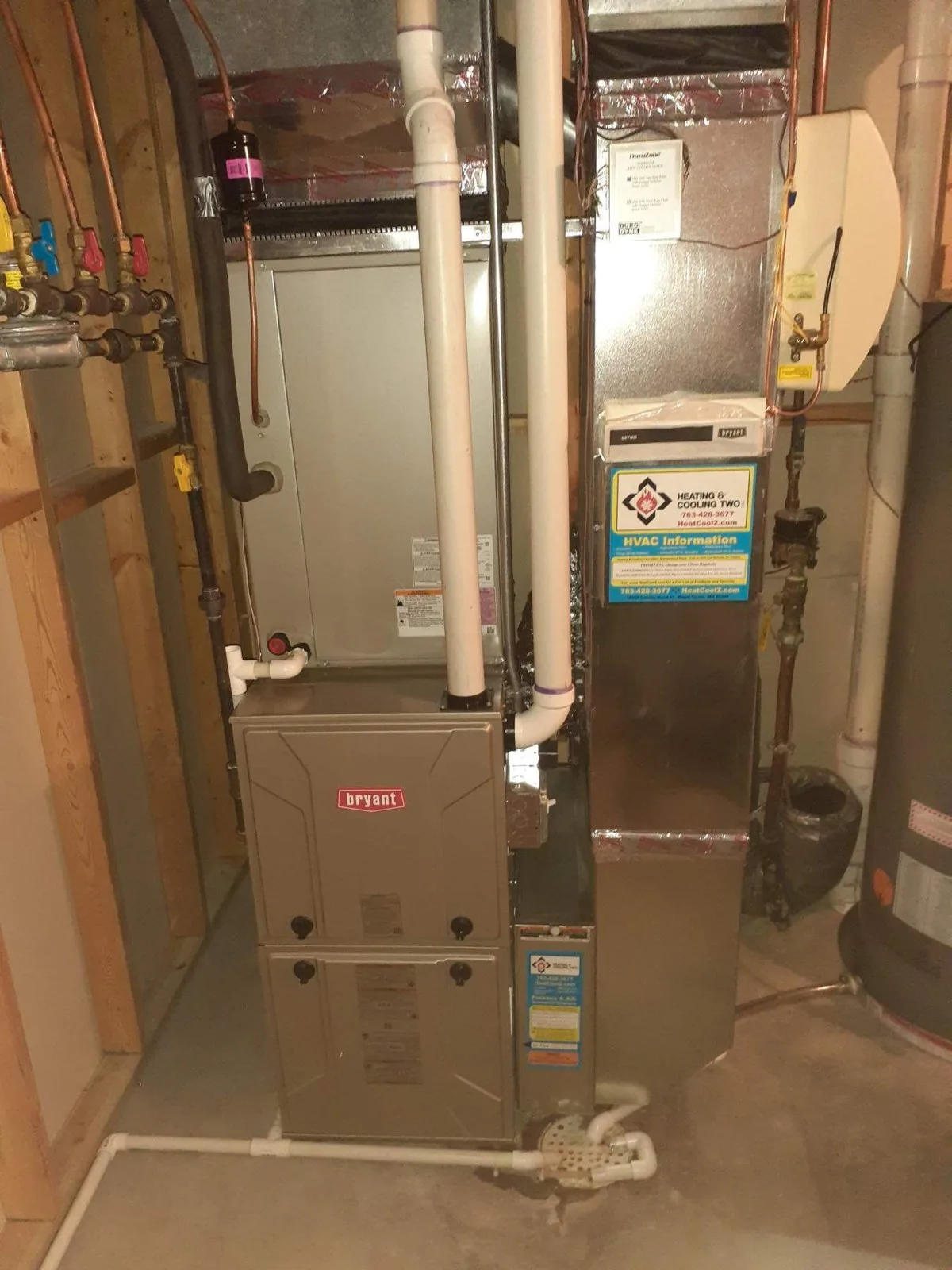
Short answer: a well-maintained gas furnace in a Minnesota home typically lasts 15 to 20 years. Some make it past 20, and some give out before 12. Where yours lands depends mostly on how it was sized and installed, how hard it works each winter, and whether it gets an annual tune-up. If your furnace is 15 or older, it's time to start planning a replacement on your schedule instead of waiting for it to pick a January night for you.
That range sounds simple, but it hides a lot. Two furnaces installed the same year on the same street can age very differently. This guide explains what actually wears a furnace out here, how to read the warning signs, and how to tell whether your furnace has years left or is running on borrowed time.
A furnace's lifespan is really measured in run hours and heating cycles, not calendar years. A furnace in Tennessee might run a few hundred hours a winter. Here, the heating season starts in October and can run into May, and a stretch of below-zero nights can keep a furnace running nearly nonstop for days. Every winter in the Twin Cities puts more hours on the blower motor, more ignition cycles on the igniter and more heat-up and cool-down stress on the heat exchanger than the same furnace would see in a milder climate.
That's why national lifespan figures can be a little optimistic for Minnesota homes. A furnace that would last 25 years in a mild climate may be doing the equivalent work in 15 to 20 years here. It doesn't mean Minnesota furnaces are built worse. It just means they're used harder.
When we pull out a furnace that failed early, the cause is usually one of a handful of things. Most of them have nothing to do with the brand on the cabinet.
Not every furnace ages the same way. Here's what we generally see in Twin Cities homes. Treat these as typical ranges, not guarantees.
Age alone doesn't mean a furnace has to go. A 17-year-old furnace that's been tuned up every fall can be in better shape than a neglected 10-year-old one. These are the signs that tell us more than the date on the data plate.
Most homeowners don't know the age of their furnace, especially if they bought the house with it. Here's how to find out. Turn the thermostat off, remove the furnace's front panel and look for the data plate (rating label) on the inside of the cabinet or door. The serial number usually encodes the manufacture date. Bryant and Carrier serial numbers, for example, often start with four digits where the first two are the week and the next two are the year. Other brands use different formats, and the manufacturer can decode it if you're unsure.
You can also check for a sticker from the installing contractor, a permit sticker or old service tags taped to the cabinet. If your home was built in the late 1990s or 2000s and nobody remembers the furnace ever being replaced, it's very likely original and well into the 15-to-20-year window. When we do a tune-up or a repair visit, we'll tell you the age of your equipment and note its condition so you have a baseline.
You can't make a furnace last forever, but you can keep it from wearing out early. These habits make the biggest difference.
The best time to replace a furnace is before it fails. A planned replacement lets you compare options, look at available rebates and financing, and choose the right equipment instead of whatever can go in tomorrow. It also means your family isn't using space heaters while you wait.
If your furnace is 15 years or older, we suggest asking for a replacement estimate at your next tune-up, even if you don't plan to act right away. Knowing your options and your numbers takes the pressure off when the furnace does start to struggle. Our posts on furnace replacement cost in the Twin Cities, whether to repair or replace and what to expect on replacement day walk through the rest of the decision.
Furnace replacement is our specialty. We're a family-owned company that has served the Twin Cities since 1980, a Bryant Factory Authorized Dealer, and we have our own sheet metal shop, so transitions and ductwork changes are built to fit your home. Learn more about furnace replacement and installation, request a free estimate, or call 763-428-3677. Office hours are Monday through Friday, 7:30am to 4:30pm.
Keep reading
A furnace that runs a few minutes, shuts off and restarts is short cycling. Common causes, what you can safely check, and when to call for repair.
Read article
That first-run dust smell is normal. Electrical, rotten-egg and exhaust odors are not. A smell-by-smell guide to furnace odors and how urgent each one is.
Read article
Ice on your AC lines or indoor coil points to an airflow or refrigerant problem. How to thaw it safely, the usual causes and how to prevent it.
Read articleFree estimates and straight answers across the Twin Cities. After-hours emergency service available.